
 🔍 Hover to zoom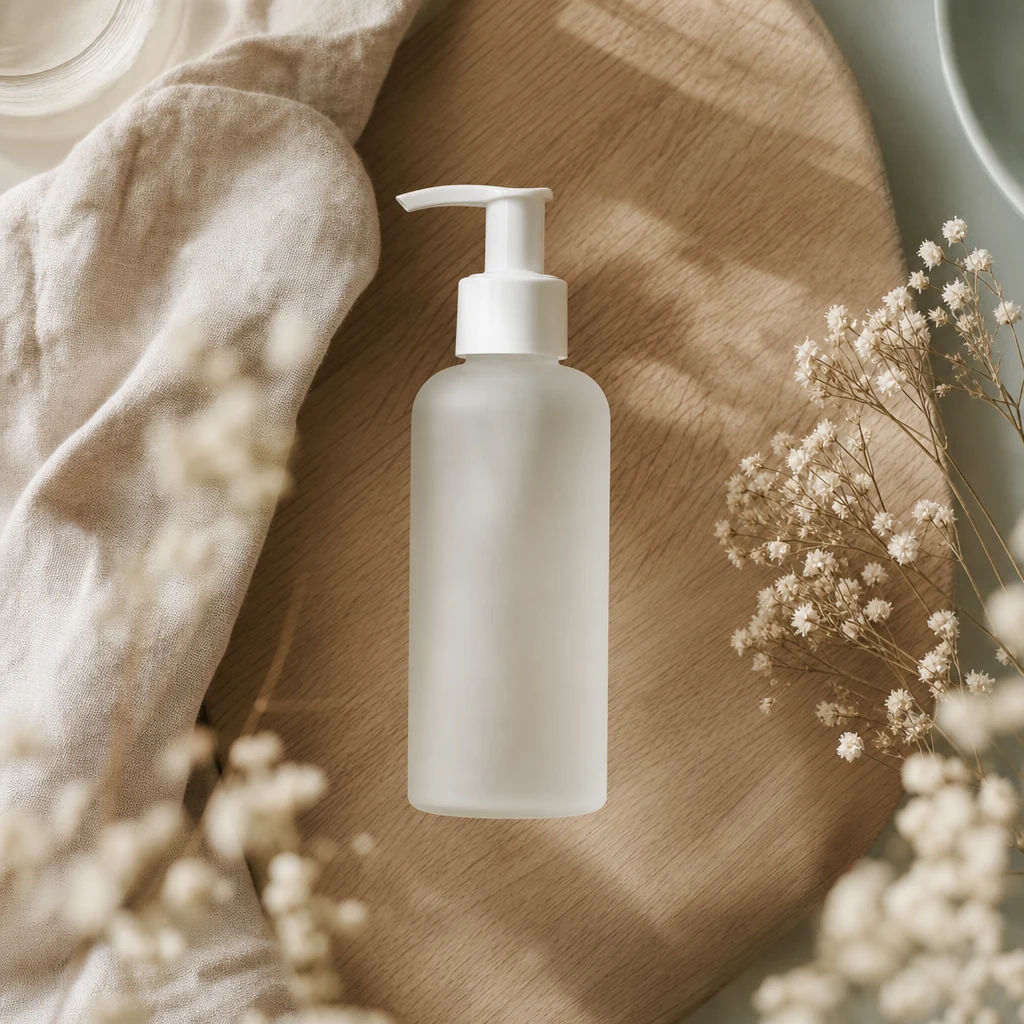
Cetaphil Gentle Skin Cleanser Review: The Original Non-Foaming Cleanser That Still Holds Up
The 75-year-old dermatologist recommendation that still works — a lotion cleanser gentle enough for the most reactive skin.
- Non-foaming, low-lather lotion cleanser
- Fragrance-free, soap-free formulation
- Suitable for daily use morning and evening
- Also works as a body wash for dry-skin sufferers
- Available in 8oz, 16oz, and 20oz sizes for value
Check the latest price and availability on Amazon.
View on Amazon →As an Amazon Associate, SkincareTopic earns from qualifying purchases.
Why We Recommend It
- Extremely gentle on reactive or barrier-compromised skin
- Fragrance-free and free of common irritants
- Excellent value at $11-14 for a 16oz bottle
- Widely available at every drugstore and grocery store
- Long track record of dermatologist recommendation
Consider Before Buying
- Doesn't contain ceramides (CeraVe does)
- Contains a small amount of parabens as preservative
- Some users report a slight residue if not rinsed thoroughly
- Doesn't remove heavy makeup on its own
Key Ingredients
Product note: This review is for general shopping and skincare education only. Product fit varies by skin type, pregnancy or breastfeeding status, medications, allergies, and diagnosed conditions. For persistent acne, rosacea, eczema, melasma, hair loss, reactions, or pregnancy-related concerns, ask a dermatologist, OB-GYN, or other licensed clinician before relying on an over-the-counter product.
Cetaphil Gentle Skin Cleanser was introduced in 1947 by a Texas pharmacist. Nearly 80 years later, it’s still the cleanser most dermatologists recommend by default when a patient walks in complaining that everything they try makes their skin worse. That kind of longevity is unusual in skincare — a category where product cycles are measured in months. Cetaphil endures because it does one thing extremely well: it cleans without doing damage.
This isn’t a glamorous product. It doesn’t have exotic actives, texture magic, or a new-marketing angle. It’s a bottle of thick white lotion that removes what needs removing and leaves your skin comfortable. For the right user, that’s exactly the point.
## What it is
Cetaphil Gentle Skin Cleanser is a lotion-textured, non-foaming, soap-free cleanser designed for daily use on sensitive, dry, or reactive skin. It comes in a range of sizes — 8oz, 16oz, and 20oz pump bottles are the most common — and is sold at essentially every drugstore, grocery store, and mass retailer in the U.S.
The formulation is intentionally simple. There are no fragrances, essential oils, or exotic actives. The cleansing chemistry is mild-surfactant-plus-emollient — the cleanser removes oil and dirt through emulsification (like a lotion dissolving into water) rather than through foaming action (which requires stripping surfactants to generate).
**Non-foaming.** Even with vigorous rubbing, it won’t lather. This is by design — foaming action requires the same class of ingredients that strips the skin barrier.
**Fragrance-free.** No masking fragrance, no essential oils, no “unscented” cover-up chemistry.
**Soap-free.** The pH is close to skin-neutral (5.5), meaning it doesn’t disrupt the acid mantle the way true soaps (which sit at pH 9-10) do.
**Simple ingredient list.** Water, cetyl alcohol, propylene glycol, sodium lauryl sulfate (in a low concentration as a mild surfactant, not the aggressive kind), stearyl alcohol, methylparaben, propylparaben, butylparaben. That’s essentially it.
The parabens are notable — some newer competitors have eliminated them, and if you specifically want a paraben-free formulation, this isn’t your product. That said, parabens have a long safety record in cosmetics and are effective at preventing microbial contamination in a bottle that’s going to sit in your bathroom for months.
## Who this is for
**Sensitive skin.** The primary use case. Fragrance-free, minimalist ingredient list, unlikely to trigger reactions in most users.
**Dry skin.** The lotion texture doesn’t strip natural skin lipids the way foaming cleansers do.
**Reactive skin.** If everything you try seems to make your skin worse, this is a safe fallback.
**Eczema-prone skin.** Long-recommended by dermatologists for daily use during quiet periods between flares.
**Rosacea-prone skin.** Gentle enough to not aggravate reactive skin in most cases.
**Post-procedure recovery.** After chemical peels, laser treatment, or aggressive dermatology procedures, Cetaphil is often the cleanser recommended during recovery.
**Users of drying actives.** If your routine includes retinoids, benzoyl peroxide, or acids, a non-stripping cleanser lets those actives work without the compound drying effect.
**Very young skin or elderly skin.** Both ends of the age spectrum tend to have thinner, more reactive skin barriers. Cetaphil is appropriate for both.
**Pregnancy skincare.** Fragrance-free and safe throughout pregnancy.
Who this **isn’t** the best pick for:
– Very oily skin. The Foaming Facial Cleanser from the same brand is a better fit.
– Users with heavy makeup routines who don’t want to double-cleanse.
– Users who specifically want ceramide support (choose CeraVe Hydrating instead).
– Users avoiding parabens (choose Vanicream instead).
## Key ingredients
**Cetyl alcohol and stearyl alcohol.** Fatty alcohols. Despite the “alcohol” in the name, these are emollient waxes that soften and condition skin — completely different from denatured alcohol, which is drying. They contribute to the lotion texture and to the light residue that helps skin feel comfortable after cleansing.
**Propylene glycol.** A humectant that draws moisture to the skin. Occasionally an irritant for very sensitive users, but the concentration here is low.
**Sodium lauryl sulfate (SLS).** Yes, SLS is in this formula, and yes, that surprises people. But concentration matters — Cetaphil uses a very low percentage as a mild surfactant, not as a foaming agent. It’s not the SLS-as-hero-of-the-formula presence you see in aggressive shampoos.
**Panthenol (Provitamin B5).** A humectant and soothing agent. Attracts moisture and has mild anti-inflammatory properties.
**Parabens (methylparaben, propylparaben, butylparaben).** Preservatives that prevent bacterial and fungal contamination. Safe at cosmetic concentrations.
That’s essentially the entire active-ingredient story. This is intentional — the fewer ingredients, the fewer potential reaction triggers. For reactive skin, “simpler is safer” is often the right heuristic.
## How it performs
**Cleanses adequately.** Removes daily oil, sweat, dust, and light makeup with one pump massaged in for 30-60 seconds.
**Doesn’t strip.** This is the defining feature. Skin feels comfortable — not tight, not squeaky, not irritated — after use.
**Doesn’t foam or lather.** Just a light emulsion feel. Some users find this odd at first if they’re used to foaming cleansers.
**Rinses cleanly with care.** If you don’t rinse thoroughly, a slight residue can remain. Some users prefer this (extra softness); others don’t (feels film-y). Fix: rinse an extra 10 seconds.
**Removes light makeup only.** Foundation, blush, powder — yes. Waterproof mascara or long-wear lipstick — no. Use micellar water or oil first for those.
**Works morning and evening.** Twice-daily use is fine for dry or sensitive skin.
**Doesn’t sting or burn.** Very rarely reported, even from users with rosacea or reactive skin.
**Value per bottle.** 16oz at 1 pump per wash, twice daily, lasts 5-6 months. Excellent economics.
**Winter performance.** Significantly outperforms foaming cleansers at maintaining skin comfort in cold, dry weather.
## How to use it
1. **Wet your face** with lukewarm water. Never hot water — it strips oils and worsens dryness.
2. **Dispense 1-2 pumps** onto damp fingers or into your palm.
3. **Apply to face** — spread evenly. Don’t try to work up a lather.
4. **Massage in circular motions** for 30-60 seconds. Cover face, jawline, hairline, neck.
5. **Rinse thoroughly** with lukewarm water. Rinse for at least 30 seconds — the lotion texture is slower to clear than foaming products.
6. **Pat dry** with a clean towel.
7. **Follow with the rest of your routine** — serum, moisturizer, sunscreen (AM).
**Optional: waterless cleansing.** For extremely reactive skin or during flare-ups, some users apply Cetaphil to dry skin, massage, then gently wipe away with a soft cloth — no water contact. This is minimally recommended by dermatologists for the most reactive users. Most people should use it as a normal cleanser.
**Body use.** Cetaphil also works as a body wash for dry-skin sufferers, keratosis pilaris-prone skin, or eczema-prone body areas. Same technique.
## Best paired with
**Micellar water (before, for makeup removal).** Bioderma Sensibio H2O or Garnier Micellar are cheap options.
**Hyaluronic acid serum (after cleansing).** Apply to damp skin.
**Ceramide moisturizer (after).** CeraVe Moisturizing Cream, La Roche-Posay Toleriane Double Repair, or Vanicream Moisturizing Cream all pair well.
**Retinoid (evening).** Cleanser first, then wait 20 minutes for skin to fully dry, then apply retinoid.
**Mineral sunscreen (morning).** EltaMD UV Clear SPF 46 or CeraVe Hydrating Mineral SPF 30 are good matches for the same reactive-skin profile.
## Skin-type suitability
| Skin type | Fit | Notes |
|—|—|—|
| Sensitive | Excellent | Primary use case |
| Dry | Excellent | Non-stripping lotion texture |
| Reactive | Excellent | Simple ingredient list minimizes triggers |
| Mature | Excellent | Age-related barrier weakness makes this ideal |
| Eczema-prone | Excellent | Long-recommended for daily use between flares |
| Rosacea-prone | Very good | Gentle enough for most rosacea sufferers |
| Normal | Very good | Good year-round option |
| Combination | Good | Fine if dry cheeks dominate; use Cetaphil Daily on oily T-zone |
| Oily | Fair | Foaming Daily Cleanser is a better fit |
| Acne-prone | Good | Non-comedogenic; safe alongside acne treatment |
## Worthy alternatives
**CeraVe Hydrating Facial Cleanser** — around $15. Similar concept with three ceramides added. Modest step up if you can spend the extra $3-5.
**Vanicream Gentle Facial Cleanser** — around $10. Even simpler ingredient list. Best for the most reactive skin. Paraben-free.
**La Roche-Posay Toleriane Hydrating Gentle Cleanser** — around $17. Premium version with a slightly more elegant texture. Same functional outcome, French pharmacy pedigree.
**First Aid Beauty Face Cleanser** — around $22. Adds anti-inflammatory ingredients. Similar profile at higher price.
**Aveeno Ultra Calming Foam Cleanser** — around $12. Feverfew-based option. Fine if you want a mild foam.
## Bottom line
**Editorial Rating: 4.4 / 5**
Cetaphil Gentle Skin Cleanser has been the default dermatologist recommendation for sensitive skin for the better part of a century. It endures because it works — reliably, safely, and cheaply. It doesn’t have the ceramide bells and whistles of newer alternatives, but for the most reactive users, its minimalist formulation is arguably an advantage.
At $11-14 for a 16oz bottle that lasts 5-6 months of twice-daily use, the value is unmatched in this category. Available at every drugstore. Backed by 75+ years of dermatologist trust.
If you’re specifically looking for ceramide support in a cleanser, choose CeraVe Hydrating instead. If you’re avoiding parabens, choose Vanicream. But if you just want a gentle, effective, cheap cleanser that won’t make anything worse — Cetaphil is one of the safest picks in skincare.
Cetaphil is the original 'gentle cleanser' recommendation — introduced in 1947 and still going. For sensitive or reactive skin, it's an extremely safe pick. It doesn't have the ceramide advantage of CeraVe Hydrating, but it costs a couple of dollars less and is easier to find. Buy it if your skin is genuinely reactive to almost everything; buy CeraVe Hydrating if you want more active barrier support.
View on Amazon →Prices and availability current on Amazon. As an Amazon Associate we earn from qualifying purchases.