
 🔍 Hover to zoom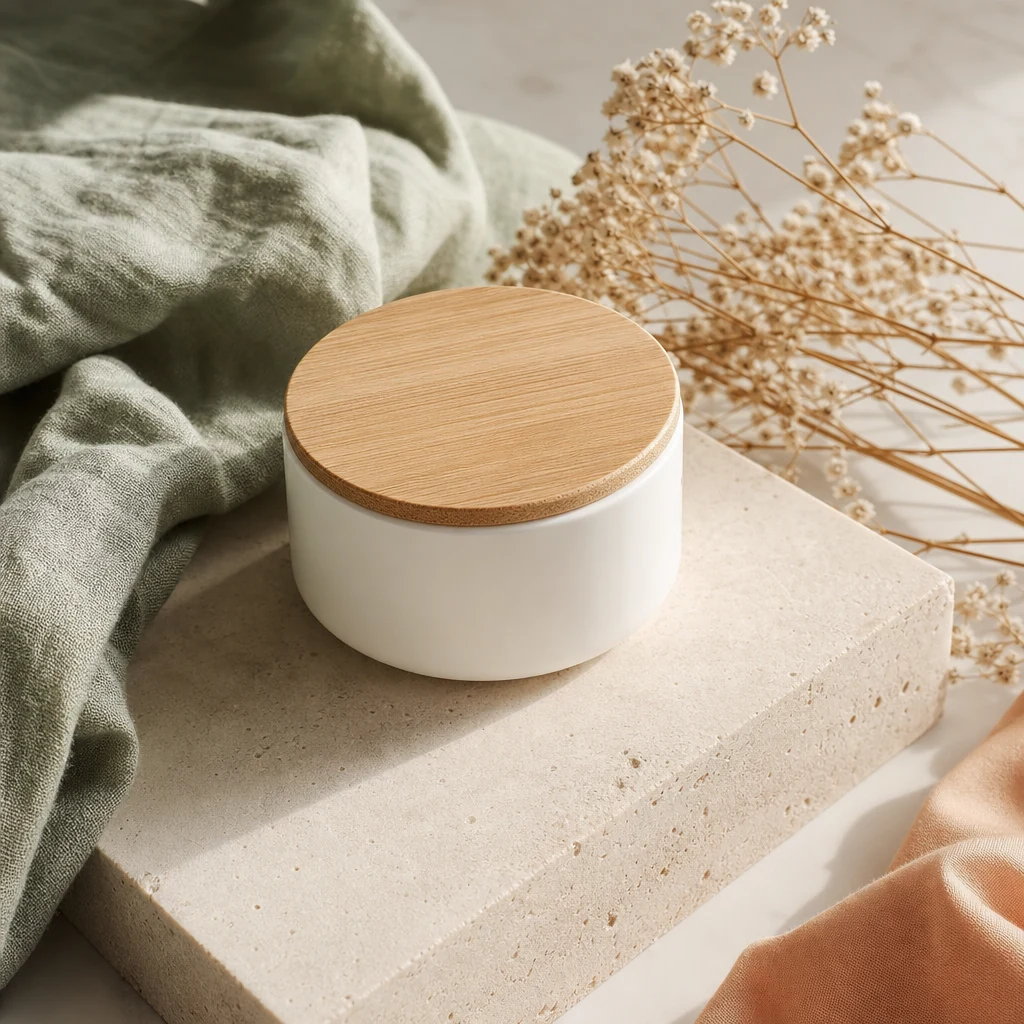
Neutrogena Hydro Boost Water Gel Review: The Drugstore Gel Moisturizer That Started a Category
The lightweight gel that proved oily skin needs hydration too — hyaluronic acid without the greasy finish.
- Water-gel texture with hyaluronic acid for lightweight hydration
- Oil-free, non-comedogenic formulation
- Works AM and PM as a standalone moisturizer
- Under $20 for a 1.7oz jar that lasts 2-3 months
- Available at every drugstore in the U.S.
Check the latest price and availability on Amazon.
View on Amazon →As an Amazon Associate, SkincareTopic earns from qualifying purchases.
Why We Recommend It
- Genuinely lightweight — feels like water on the skin
- Delivers meaningful hydration without heaviness
- Non-comedogenic and safe for acne-prone skin
- Excellent value at drugstore prices
- Works well under makeup without pilling
Consider Before Buying
- Not moisturizing enough for very dry or mature skin
- Contains a small amount of fragrance
- Jar packaging can be less hygienic than pump
- The "extra dry skin" variant is significantly different — read labels
Key Ingredients
Product note: This review is for general shopping and skincare education only. Product fit varies by skin type, pregnancy or breastfeeding status, medications, allergies, and diagnosed conditions. For persistent acne, rosacea, eczema, melasma, hair loss, reactions, or pregnancy-related concerns, ask a dermatologist, OB-GYN, or other licensed clinician before relying on an over-the-counter product.
Neutrogena Hydro Boost Water Gel arrived in 2015 and effectively created a new category — the mass-market gel moisturizer. Before Hydro Boost, “moisturizer” at drugstore price points meant lotion or cream: rich, emollient, and often too heavy for oily or combination skin. Hydro Boost demonstrated that a moisturizer could be almost weightless, deliver real hydration, and cost less than $20.
Nearly a decade later, competitors have caught up — Cetaphil, Olay, Aveeno, and store brands all make gel moisturizers now — but the original Hydro Boost still holds a strong position because the formula is genuinely good and the price hasn’t drifted upward much. For the right user profile (oily, combination, or dehydrated skin), it remains one of the best value moisturizers available.
## What it is
Neutrogena Hydro Boost Water Gel is a lightweight, oil-free gel moisturizer marketed as a hyaluronic acid delivery vehicle for daily hydration. It comes in a 1.7oz jar (the most common size) and is available at essentially every drugstore in North America.
**Water-gel texture.** Not a cream, not a lotion — a gel. Applies almost like water and absorbs within 30-60 seconds.
**Oil-free.** No mineral oil, no plant oils, no silicones that provide occlusive finish. The moisturizing effect comes entirely from humectants (hyaluronic acid, glycerin) drawing water to the skin.
**Non-comedogenic.** Formulated to not clog pores. Safe for acne-prone skin.
**Hyaluronic acid–focused.** The primary marketed active. HA is a humectant that binds up to 1000x its weight in water, providing hydration without added oil.
**Available in variants.** Standard Water Gel (blue jar), Extra Dry Skin (different formula, richer), Gel-Cream (slightly thicker), and Night Concentrate. The variants differ significantly — the standard Water Gel is what we’re reviewing here.
**Cost.** $15-19 for a 1.7oz jar. Larger 3.3oz tub-with-pump options exist at some retailers.
## Who this is for
**Oily skin.** The primary use case. Delivers hydration without the heavy finish that pushes oily-skin users away from moisturizing.
**Combination skin.** Light enough for the T-zone, adequate for cheeks in humid weather.
**Dehydrated skin.** Dehydration (low water content) is different from dryness (low oil content). Hydro Boost specifically addresses dehydration — even oily skin can be dehydrated.
**Acne-prone skin.** Oil-free, non-comedogenic. Safe alongside acne actives.
**Users of drying actives.** If you’re on retinoids or acids and your skin is oily, Hydro Boost provides hydration without triggering breakouts.
**Warm/humid climates.** In climates where a rich cream feels suffocating, Hydro Boost is often adequate as a standalone moisturizer.
**Under makeup.** The gel texture layers well under primer and foundation.
**Users transitioning from no-moisturizer routines.** For people who’ve been skipping moisturizer entirely because everything feels heavy, Hydro Boost is often the entry point.
**Teens and young adults.** Light texture and low price point make it approachable for early skincare routines.
**Budget-conscious skincare users.** At under $20 for 2-3 months of use, it’s one of the best value moisturizers available.
Who this **isn’t** the best pick for:
– Very dry skin — needs a real cream.
– Mature skin — barrier weakness typically calls for richer formulations.
– Cold, dry winter conditions — may not be enough on its own.
– Users specifically wanting ceramides — CeraVe options are better.
– Users avoiding fragrance completely — contains a small amount.
## Key ingredients
**Sodium hyaluronate.** Low-molecular-weight hyaluronic acid. Humectant that draws water to the skin. The primary marketed active. HA works in both directions — from moisture in the environment inward, and from deeper skin layers outward. Best results in humid conditions; may pull moisture from deeper skin in very dry environments (mitigate by layering an occlusive over top).
**Glycerin.** Basic humectant. Reliable, well-tolerated, effective. Present in almost every quality moisturizer.
**Trehalose.** A sugar-based humectant that also has mild antioxidant properties.
**Dimethicone.** A silicone that provides a light smooth finish without occlusive heaviness. Contributes to the gel-like texture.
**Ethylhexylglycerin.** Preservative booster and mild humectant.
**Fragrance.** Present in a small amount. Not fragrance-free. For users with fragrance sensitivity, this is worth noting — most people tolerate it fine, but if you’re specifically avoiding fragrance, look at CeraVe options instead.
**Phenoxyethanol.** Standard preservative.
Not present: ceramides, niacinamide, peptides. This is a straightforward hydration product, not a multi-active hybrid.
## How it performs
**Applies almost like water.** Genuinely lightweight — closer to a serum than most “gel” moisturizers on the market.
**Absorbs in 30-60 seconds.** Fastest absorption of any moisturizer in this price range.
**Delivers real hydration.** Users report noticeable improvement in skin plumpness within 3-5 days of daily use.
**Doesn’t leave residue.** No shine, no tackiness, no film. Skin feels comfortable and slightly cool.
**Doesn’t compete with makeup.** Layers under primer and foundation without pilling.
**AM and PM use.** Fine to use twice daily. Some users find it insufficient at night in winter — layer with an occlusive (Aquaphor or Vaseline in small amounts) if needed.
**Hot weather performance.** Excellent. In summer or humid climates, it’s often the only moisturizer needed.
**Cold weather performance.** Limited. In winter or dry indoor environments, may need supplementation.
**Doesn’t sting.** Rare irritation reports. The small amount of fragrance is the most likely trigger for the few users who react.
**Value per jar.** 1.7oz used AM and PM lasts 2-3 months. Under $10 per month.
## How to use it
**Basic application:**
1. **Cleanse and pat dry.**
2. **Apply serums** (vitamin C in AM, retinol in PM, or anything else in your routine).
3. **Dispense a nickel-sized amount** of Hydro Boost onto fingertips.
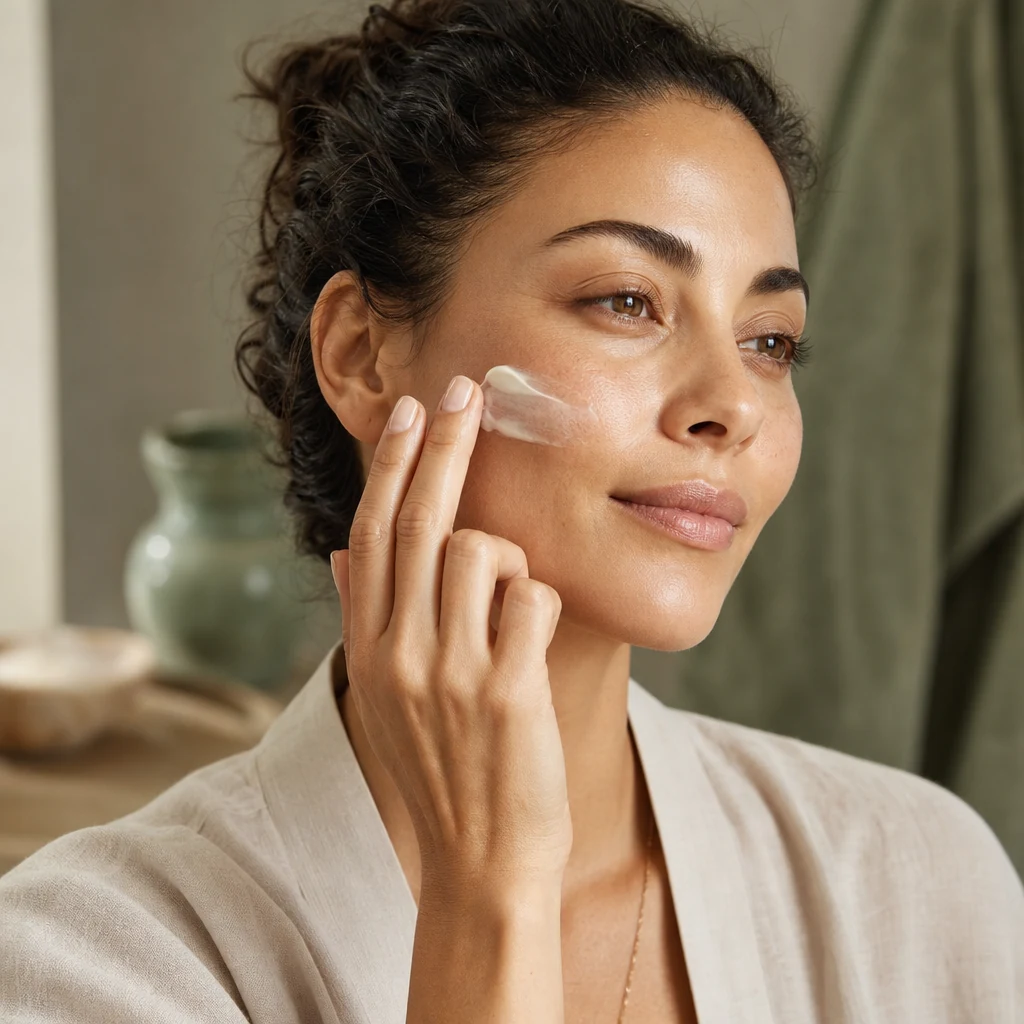
4. **Apply evenly** across face and neck. Massage in with upward strokes.
5. **Wait 2-3 minutes** before applying SPF (AM) or before makeup.
**For dry skin (layering with a cream):**
1. Apply Hydro Boost first as a hydration base.
2. Follow with a richer cream (CeraVe Moisturizing Cream, La Roche-Posay Toleriane) to lock in hydration.
3. This combination gives you both HA hydration and ceramide barrier support.
**For very oily skin (as standalone):**
Use half the amount you would with a cream. A pea-sized amount is often enough. Reapply if skin feels dry later in the day.
**For humid weather:**
Half the normal amount is usually plenty. Skin already has ambient moisture available.
**For dry winter conditions:**
Layer with an occlusive at night — a thin layer of Aquaphor over top locks in the HA hydration.
## Best paired with
**Hyaluronic acid serum (before).** Doubles the HA layer for extra hydration. The Ordinary HA 2% + B5 pairs well.
**Vitamin C serum (morning, before).** Layers well without conflict.
**Niacinamide serum (either time).** Reduces oil and supports barrier — good complement.
**Retinol serum (evening, before).** Hydro Boost cushions the retinol without being heavy enough to reduce retinol efficacy.
**Sunscreen (morning, after).** Any daily SPF 30+. EltaMD UV Clear or La Roche-Posay Anthelios Melt-In Milk pair well.
**Occlusive (night, in winter).** Aquaphor Healing Ointment or Vaseline as a final layer on very dry nights.
**Gentle cleanser (before).** CeraVe Foaming or Cetaphil Gentle Skin Cleanser.
## Skin-type suitability
| Skin type | Fit | Notes |
|—|—|—|
| Oily | Excellent | Primary use case |
| Combination | Excellent | Ideal profile |
| Acne-prone | Excellent | Oil-free, non-comedogenic |
| Dehydrated | Excellent | Addresses the specific hydration deficit |
| Normal | Very good | Fine year-round in most climates |
| Sensitive | Fair | Small fragrance amount is a possible trigger |
| Dry | Good | Fine layered under a cream; insufficient alone |
| Mature | Fair | Insufficient barrier support on its own |
| Rosacea-prone | Fair | Fragrance may aggravate; try patch first |
| Very dry (winter) | Poor | Not enough occlusion |
## Worthy alternatives
**CeraVe Moisturizing Lotion (Daily)** — around $14. Fragrance-free with ceramides. Better for dry-to-normal skin.
**Cetaphil Daily Hydrating Lotion** — around $14. Hyaluronic acid lotion. Slightly heavier than Hydro Boost.
**La Roche-Posay Effaclar Mat Moisturizer** — around $34. Oil-control gel for oily/acne-prone skin. Premium option.
**Aveeno Calm + Restore Oat Gel Moisturizer** — around $14. Gel with oat extract. Slightly more soothing.
**COSRX Advanced Snail 92 All in One Cream** — around $18. K-beauty gel-cream with snail mucin.
**Krave Beauty Oat So Simple Water Cream** — around $28. Minimalist gel with oat. Very clean formulation.
**Belif The True Cream Aqua Bomb** — around $38. Premium K-beauty gel-cream.
**The Ordinary Natural Moisturizing Factors + HA** — around $8. Cream texture, cheaper, more ceramide-focused.
## Bottom line
**Editorial Rating: 4.4 / 5**
Neutrogena Hydro Boost Water Gel is one of the strongest value plays in the entire moisturizer category. For oily, combination, or dehydrated skin, it delivers meaningful hydration in a lightweight gel texture at drugstore prices. It’s not the right choice for very dry or mature skin, but it’s not trying to be — this is specifically designed for the users who’ve historically been under-served by “one-size-fits-all” cream moisturizers.
At $15-19 for a 1.7oz jar that lasts 2-3 months, the value math works out at under $10 per month. Available at every drugstore, so easy to replace. Compatible with almost any routine.
Two things worth knowing. First, don’t confuse it with the Extra Dry Skin variant, which is a completely different formula. Buy the standard Water Gel specifically. Second, if you’re expecting occlusive barrier support (the kind ceramides provide), this isn’t that product — it’s a humectant-focused hydrator. For those users, CeraVe or La Roche-Posay Toleriane is a better fit.
For everyone else — oily, combo, dehydrated, acne-prone, humid-climate, or just tired of heavy moisturizers — this is often the answer. Nearly a decade after launch, still one of the best gel moisturizers on the market.
Neutrogena Hydro Boost Water Gel is the reason the 'gel moisturizer' category exists at drugstore price points. For oily, combination, or dehydrated skin, it delivers meaningful hydration in a texture that feels almost weightless. It's not the right pick for dry or mature skin — those users need a real cream — but for oily-skin users who've been under-moisturizing because everything felt heavy, this is often the fix. Under $20 for 2-3 months of use makes it one of the best value moisturizers on the market.
View on Amazon →Prices and availability current on Amazon. As an Amazon Associate we earn from qualifying purchases.