
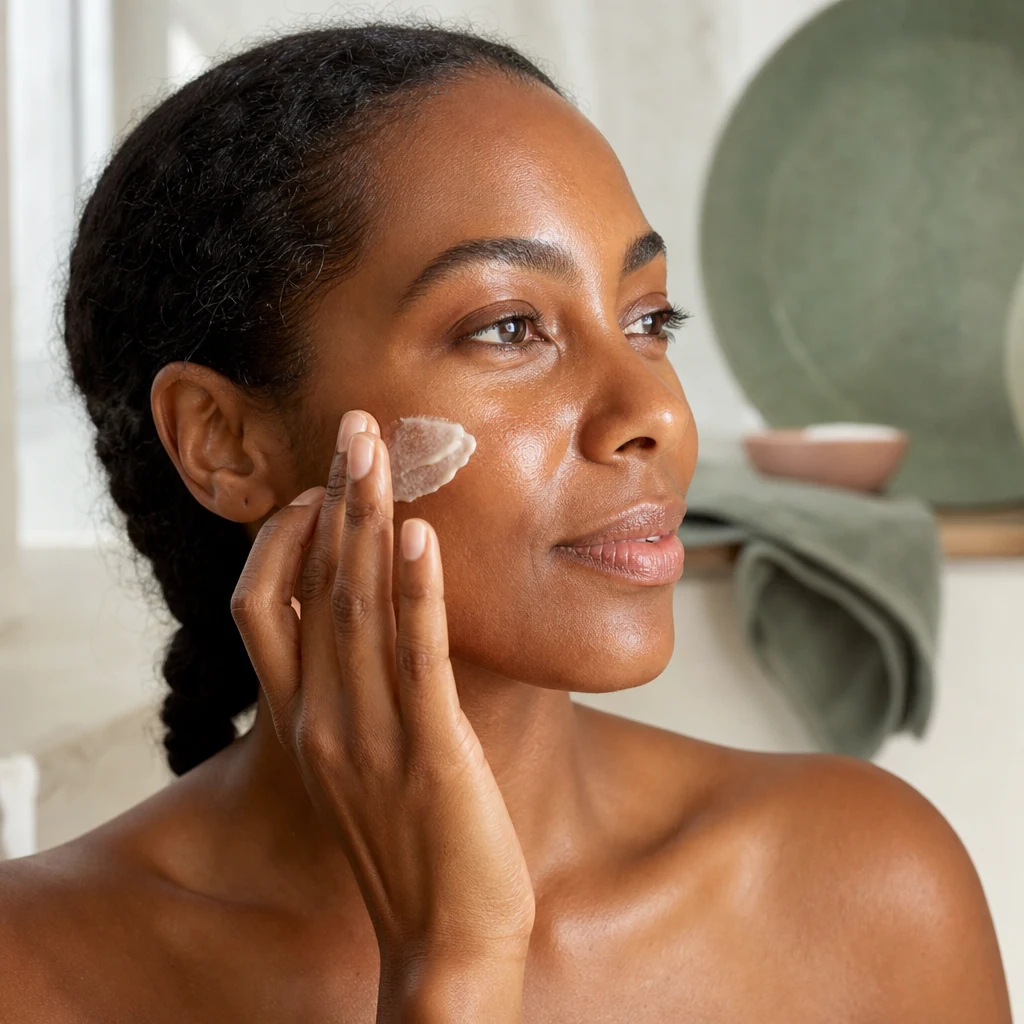
 🔍 Hover to zoom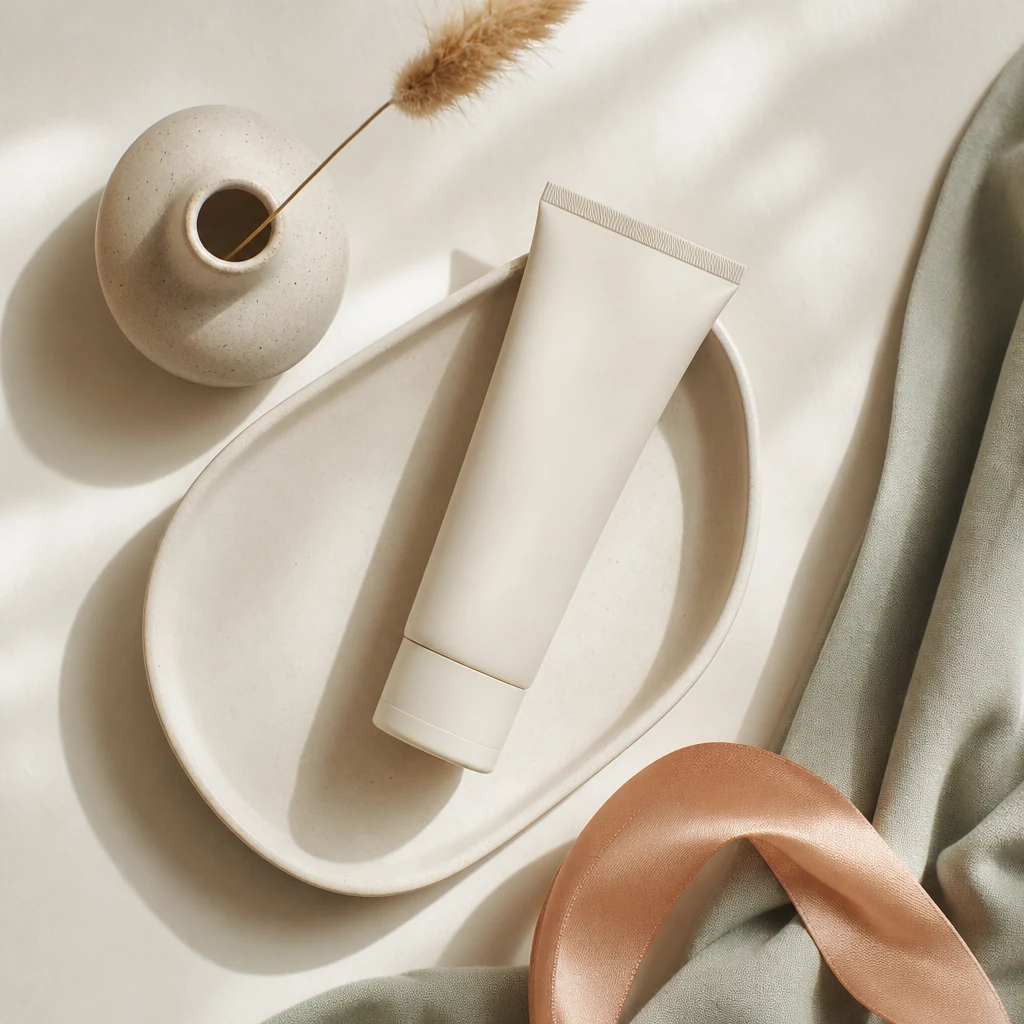

CeraVe Hydrating Mineral Sunscreen SPF 30 Review: The Ceramide-Supported Mineral Option for Sensitive Skin
The affordable mineral sunscreen with ceramides — for users who want physical protection without the white cast catastrophe.
- 100% mineral filters (zinc oxide 21.6% + titanium dioxide 6%)
- Contains three essential ceramides for barrier support
- Non-comedogenic, oil-free formulation
- Fragrance-free and paraben-free
- Broad-spectrum SPF 30 with hydrating base
Check the latest price and availability on Amazon.
View on Amazon →As an Amazon Associate, SkincareTopic earns from qualifying purchases.
Why We Recommend It
- Genuinely mineral — no chemical filters at all
- Ceramide-supported base is unusual for mineral sunscreens
- Fragrance-free and safe for the most sensitive users
- Excellent value at $14-17 for a 2.5oz tube
- Water-resistant up to 40 minutes
Consider Before Buying
- Visible white cast on medium to deep skin tones
- Thicker texture than chemical filter options
- Only SPF 30 (many prefer SPF 50+)
- Small tube size — needs frequent repurchase for daily face use
Key Ingredients
Product note: This review is for general shopping and skincare education only. Product fit varies by skin type, pregnancy or breastfeeding status, medications, allergies, and diagnosed conditions. For persistent acne, rosacea, eczema, melasma, hair loss, reactions, or pregnancy-related concerns, ask a dermatologist, OB-GYN, or other licensed clinician before relying on an over-the-counter product.
CeraVe entered the sunscreen category later than its cleanser or moisturizer lines, but the products have been strong from launch — the same barrier-support philosophy applied to sun protection. Hydrating Mineral Sunscreen SPF 30 is arguably the standout: a 100% mineral formulation with ceramide and hyaluronic acid support, priced at drugstore levels.
For users specifically wanting mineral-only sun protection — pregnancy, post-procedure recovery, users of chemical-filter sensitivities, or philosophical preference for physical UV filters — this is one of the strongest affordable options. Trade-offs are real (white cast, SPF 30 ceiling, thicker texture), but for its category and price, it’s competitive at any price point.
## What it is
CeraVe Hydrating Mineral Sunscreen SPF 30 is a physical (mineral) sunscreen using zinc oxide and titanium dioxide as UV filters, in a hydrating cream base with ceramide and hyaluronic acid support. It comes in 2.5oz and 5oz tubes, with the smaller 2.5oz being the most common face-focused purchase.
**100% mineral filters.** Active ingredients:
– **Zinc oxide 21.6%** — the primary broad-spectrum filter
– **Titanium dioxide 6%** — additional UVB coverage
Zinc oxide alone provides broad-spectrum coverage. The addition of titanium dioxide strengthens the UVB filtration.
**No chemical filters.** No avobenzone, homosalate, octocrylene, or octisalate. Full mineral formulation.
**Broad-spectrum SPF 30.** Covers UVB (SPF 30) and UVA (via the zinc oxide component).
**Ceramide-supported base.** Contains ceramide-1, ceramide-3, and ceramide-6-II. Same barrier lipids as the CeraVe Moisturizing Cream.
**Hyaluronic acid.** Adds humectant hydration.
**Niacinamide.** Present in a supporting concentration.
**Fragrance-free.** No added fragrance or masking scent.
**Paraben-free, oxybenzone-free, octinoxate-free.** Complies with reef-safety recommendations that focus on those specific chemical filters.
**Water-resistant up to 40 minutes.** Modest water resistance — reapply after swimming or sweating.
**Non-comedogenic.** Formulated to not clog pores. Safe for acne-prone skin.
## Who this is for
**Sensitive skin.** The primary use case. Mineral filters + fragrance-free + ceramide support = ideal for reactive skin.
**Rosacea-prone skin.** Physical filters don’t heat up the skin the way chemical filters can. Better for rosacea sufferers.
**Post-procedure recovery.** Standard recommendation after chemical peels, laser treatments, or aggressive dermatology procedures. Physical filters minimize post-procedure irritation.
**Pregnancy or breastfeeding.** Mineral-only formulations are typically preferred during pregnancy. No absorbing chemical filters.
**Users avoiding chemical filters.** Whether for personal preference, sensitivity, or philosophical reasons.
**Users with mature or dry skin.** The hydrating base provides ancillary moisture support.
**Users of drying actives.** Ceramide support offsets the barrier drying from retinoids or acids.
**Users of the CeraVe ecosystem.** Fits alongside CeraVe cleansers, moisturizers, and other products.
**Pediatric use (6 months+).** Mineral filters are typically recommended for children.
**Users of light to medium-light skin tones.** White cast is minimal on lighter skin.
Who this **isn’t** the best pick for:
– Medium to deep skin tones — persistent white cast is a real limitation.
– Users seeking SPF 50+ protection.
– Beach or heavy-outdoor use — chemical-filter alternatives handle this better.
– Users wanting the most cosmetically elegant finish (chemical filters are lighter).
– Very oily skin — the hydrating base can feel heavy.
## Key ingredients
**Zinc Oxide (21.6%).** The primary broad-spectrum filter. Physical UV filter that reflects and scatters UV rays. Provides genuine UVA protection — meaningful for visible-aging.
**Titanium Dioxide (6%).** Additional physical UV filter. Complements zinc oxide, particularly on UVB wavelengths.
**Ceramide NP, Ceramide AP, Ceramide EOP.** The three barrier ceramides CeraVe uses across its line. Applied topically, they supplement the barrier lipids depleted by cleansing, aging, and environmental exposure.
**Hyaluronic Acid (Sodium Hyaluronate).** Low-molecular-weight HA. Humectant.
**Niacinamide.** Vitamin B3. Anti-inflammatory, barrier-supporting. Modest concentration.
**Glycerin.** Basic humectant.
**Dimethicone.** Silicone that provides smooth finish and helps prevent white streaking.
**Cetearyl alcohol, cetyl alcohol.** Fatty alcohol emollients. Contribute to the cream texture.
**Petrolatum.** Small amount. Provides mild occlusive support.
**Phenoxyethanol.** Preservative.
The formulation is thoughtful — you get real sun protection plus a small dose of barrier support at drugstore pricing.
## How it performs
**Broad-spectrum protection.** Real. Verified across independent third-party testing. UVA coverage from the 21.6% zinc oxide is substantial.
**White cast varies by skin tone.** Light to medium-light: minimal, dissipates in 5-10 minutes. Medium: mildly visible. Medium-deep to deep: persistently visible. Cosmetic elegance is the primary limitation.
**Thicker texture than chemical alternatives.** Feels like a rich moisturizer. Not sheer.
**Absorbs in 3-5 minutes.** Slower than chemical filters but not excessive.
**Non-comedogenic.** Doesn’t trigger breakouts for most users.
**Hydrating base.** Users with dry skin often report this feels moisturizing enough to skip a separate moisturizer.
**Doesn’t sting eyes.** Rare with mineral filters — this maintains the pattern.
**No pilling.** Layers cleanly under makeup for most users.
**Water resistance is modest.** 40 minutes — adequate for casual water contact, not enough for swimming.
**Value per tube.** 2.5oz used generously for face daily lasts 4-6 weeks. 5oz lasts 8-12 weeks. Under $4 per month for face-only use.
## How to use it
**Face application:**
1. **Complete morning skincare.** Cleanse, treat, moisturize (optional given the hydrating base).
2. **Dispense two-finger-lengths** of sunscreen.
3. **Apply evenly** across face, ears, and neck.
4. **Wait 5 minutes** before applying makeup.
5. **Reapply every 2 hours** in direct sunlight or after sweating.
**For heavy sun exposure or extended outdoor use:**
Consider pairing with a chemical filter option or applying more generously. SPF 30 with adequate reapplication is usually adequate for daily use but marginal for prolonged high-UV exposure.
**Amount matters.** Under-application is the most common failure mode. For face, a nickel-sized amount minimum. For neck, additional half-nickel.
**For makeup wearers:**
Powder mineral sunscreens (like Colorescience Sunforgettable) work well for reapplication over makeup.
**For kids:**
Apply generously. Reapply every 40 minutes if water contact, otherwise every 2 hours.
## Best paired with
**Vitamin C serum (before, morning).** Antioxidant support that complements UV protection.
**Niacinamide serum (before).** Standard morning brightening/oil control.
**Hyaluronic acid serum (before).** Extra hydration.
**Ceramide moisturizer (optional, before).** May be unnecessary given this sunscreen’s hydrating base.
**Retinoid (evening, not this same time).** Standard visible-aging combination.
**Gentle cleanser (before).** CeraVe Foaming or Hydrating.
**Powder sunscreen reapplication.** For makeup wearers or heavy sun exposure.
## Skin-type suitability
| Skin type | Fit | Notes |
|—|—|—|
| Sensitive | Excellent | Ideal formulation |
| Dry | Excellent | Hydrating base helps |
| Normal | Very good | Solid daily choice |
| Combination | Good | May feel slightly heavy on T-zone |
| Rosacea-prone | Excellent | Mineral filters + fragrance-free |
| Mature | Very good | Ceramide support beneficial |
| Post-procedure | Excellent | Standard recovery recommendation |
| Pregnancy | Excellent | Mineral filters preferred |
| Acne-prone | Very good | Non-comedogenic |
| Oily | Fair | Consider chemical filter alternatives |
| Deep skin tone | Poor | White cast is persistent |
## Worthy alternatives
**EltaMD UV Physical SPF 41** — around $34. Mineral competitor with a slight tint that offsets white cast. Higher SPF, higher price.
**EltaMD UV Clear SPF 46** — around $41. Chemical + mineral hybrid. Better cosmetic elegance for facial use.
**La Roche-Posay Anthelios Mineral Sunscreen SPF 50** — around $35. French pharmacy alternative with higher SPF.
**Blue Lizard Sensitive Face Mineral SPF 30** — around $16. Direct competitor at similar price. Water-resistant 80 minutes.
**Australian Gold Botanical Mineral Sunscreen SPF 50** — around $15. Slight tint helps offset cast.
**Neutrogena Sheer Zinc Face SPF 50** — around $15. Drugstore mineral alternative.
**Supergoop Mineral Mattescreen SPF 40** — around $38. Premium mineral for oily skin. Matte finish.
**Colorescience Sunforgettable Total Protection Face Shield** — around $45. Premium mineral option with tint options.
## Bottom line
**Editorial Rating: 4.4 / 5**
CeraVe Hydrating Mineral Sunscreen SPF 30 is one of the best affordable mineral sunscreens on the market. The formulation is thoughtful — genuine broad-spectrum mineral filtration with unusual barrier support via ceramides. For sensitive, reactive, dry, mature, post-procedure, or pregnancy skincare, it’s a defensible default choice.
At $14-17 for a 2.5oz tube (or around $22 for the 5oz), the value is excellent. Drugstore availability, CeraVe brand quality control, and compatibility with the broader CeraVe ecosystem all add practical value.
Two limitations to understand. First, white cast is real on medium to deep skin tones. If you have deeper skin, a tinted mineral option or a chemical filter alternative is more practical. Second, SPF 30 is adequate for daily use but marginal for prolonged high-UV exposure — for beach days or heavy outdoor activity, consider pairing with an SPF 50+ option or reapplying more frequently.
For its intended user — someone specifically wanting mineral protection with sensitive-skin-friendly formulation at an accessible price — this is one of the strongest picks in category. Cult status among rosacea-prone and pregnancy skincare users is earned.
CeraVe Hydrating Mineral Sunscreen SPF 30 is one of the best affordable mineral sunscreens for sensitive, dry, or reactive skin. The mineral-only formulation makes it appropriate for pregnancy, post-procedure use, and users specifically avoiding chemical filters. The ceramide inclusion is unusual and welcome — most mineral sunscreens don't offer barrier support. Trade-offs are real: white cast on darker skin tones, only SPF 30, and a smaller tube than the chemical alternatives. For its target user, this is a category leader at drugstore prices.
View on Amazon →Prices and availability current on Amazon. As an Amazon Associate we earn from qualifying purchases.