Editorial note: This article is for general skincare education only. It does not diagnose, treat, or replace advice from a dermatologist, OB-GYN, or other licensed clinician. If you are pregnant, breastfeeding, using prescription medications, or dealing with persistent or severe symptoms, confirm product and ingredient choices with your healthcare provider.
When you find out you’re pregnant, the first call to your routine is usually retinol. It comes out. And then you start looking — frustrated — for something that does what retinol does without the pregnancy concerns.
Bakuchiol is the closest answer we currently have. It’s not a perfect retinol substitute, but the evidence behind it is more meaningful than most pregnancy-conscious alternative to discuss with your clinicians, and women who use it consistently often see visible cosmetic changes.
What bakuchiol actually is
Bakuchiol is a compound extracted from the seeds of Psoralea corylifolia, a plant in the legume family that’s been used in Ayurvedic and traditional Chinese medicine for centuries — primarily for skin conditions, surprisingly enough.
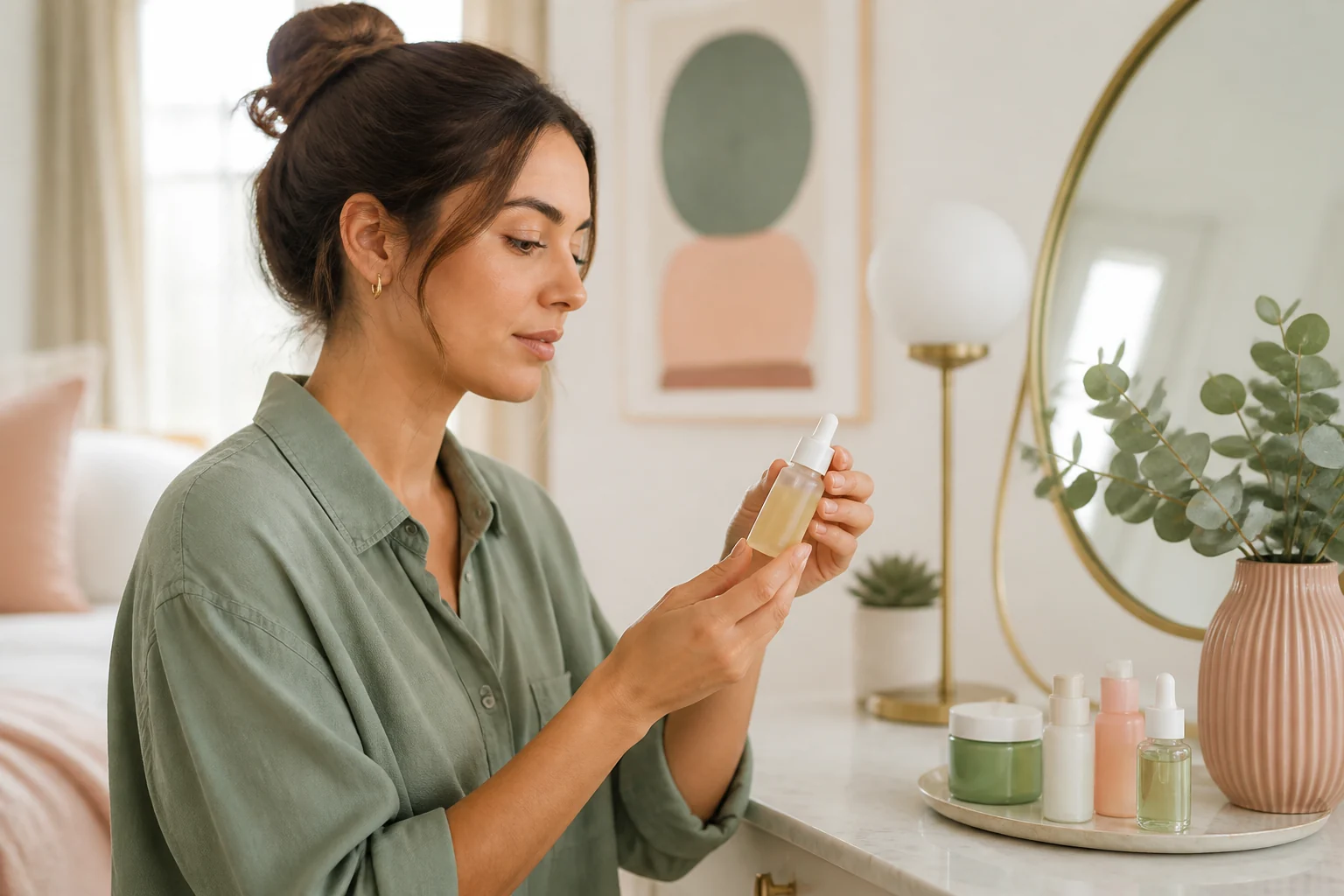
Despite the herbal origin, bakuchiol in skincare is an isolated active ingredient, not a whole-plant extract. The skincare-grade material is purified and standardized, so what you’re applying is a specific molecule with measurable effects, not just a botanical brew.
Chemically, bakuchiol is a meroterpene phenol. It bears no structural resemblance to retinoic acid or retinol — they’re completely different families of molecules. Despite this, in cellular studies, bakuchiol has been shown to upregulate similar genes in skin cells: those involved in collagen synthesis, cell turnover, and pigment regulation.
This is the basis for the “natural retinol” marketing. The mechanism isn’t identical, but the downstream effects in skin are surprisingly similar.
What bakuchiol can do (the evidence)
The most cited study comparing bakuchiol to retinol head-to-head was published in the British Journal of Dermatology in 2019. Researchers compared 0.5% bakuchiol applied twice daily against 0.5% retinol applied once daily over 12 weeks. The results:
- Wrinkle reduction: Similar improvement in both groups
- Hyperpigmentation: Similar improvement in both groups
- Side effects: The retinol group reported significantly more dryness, peeling, and stinging. The bakuchiol group reported far fewer issues.
Other published studies have shown bakuchiol:
- Improves fine lines, elasticity, and overall photoaging markers
- Reduces visible hyperpigmentation and supports more even skin tone
- Helps with mild acne, including a 2014 study showing improvements comparable to a 2% salicylic acid product
- Demonstrates antioxidant activity, including some protection against UV-induced oxidative stress
The evidence base is smaller than retinol’s, but it’s not anecdotal. Multiple peer-reviewed studies, with mechanism plausibility, in real skin, over realistic time periods. For a relatively new active ingredient, the supporting science is solid.
Is bakuchiol often discussed as lower-risk during pregnancy, but worth confirming with your clinician?
This is the question. The honest answer requires some nuance.
The conservative view: Bakuchiol has not been formally classified by any major regulatory body for pregnancy safety. The FDA-equivalent pregnancy category system has been retired in favor of more nuanced labeling, but bakuchiol predates this and has no specific designation.
The evidence-based view: No published studies have shown harm from topical bakuchiol use in pregnancy. The molecule has been used in traditional medicine (including in pregnant women) for centuries without documented teratogenic effects. Topical absorption is minimal — bakuchiol is a relatively large molecule that doesn’t penetrate the deeper layers of skin in meaningful amounts.
The dermatology consensus: Most dermatologists in the United States are comfortable recommending bakuchiol for their pregnant patients who want to maintain a retinol-like routine. The American Academy of Dermatology has not flagged it as a concern.
What we don’t know: No large prospective studies have specifically evaluated bakuchiol use during pregnancy. Absolute certainty is therefore not possible. If you want to be maximally conservative, the simplest approach is to skip bakuchiol along with retinol and rely on niacinamide, azelaic acid, vitamin C, and sunscreen as your active ingredient routine.
If you want to use it: Discuss with your OB or dermatologist. Most providers will sign off. Start with a single product at modest concentration (0.5% to 1%) and apply once daily to assess tolerance before scaling up.
Bakuchiol vs. retinol: practical differences
Beyond the pregnancy question, bakuchiol and retinol behave differently in real-world use. Understanding these differences helps set realistic expectations.
Tolerance
Retinol commonly causes “retinization” — a period of dryness, flaking, redness, and increased sensitivity as the skin adjusts. This typically lasts 4–12 weeks. Some people never tolerate retinol well.
Bakuchiol typically causes none of this. The vast majority of users tolerate it without any irritation. This makes it useful not just for pregnant women but for anyone with sensitive skin, rosacea, or a damaged barrier.
Speed of results
Retinol often shows visible results within 8–12 weeks of consistent use. Bakuchiol generally takes longer — most studies show clear results at the 12-week mark, with continued improvement to 16–24 weeks.
This is worth understanding. If you switch from retinol to bakuchiol and expect the same timeline, you’ll be disappointed. If you commit to bakuchiol for 4–6 months, you’ll likely see real improvement.
Frequency of use
Retinol is typically used once daily, in the evening, gradually built up from 2–3 times per week. Photosensitivity is a real concern with retinol, which is why it’s almost always evening-only.
Bakuchiol can be used twice daily, morning and evening, from the start. It’s not photosensitizing, so morning use is fine (with sunscreen, always). This compounded application can partially make up for its slower per-dose effect.
Sun sensitivity
Retinol-treated skin is more vulnerable to UV damage during use. Bakuchiol-treated skin is not, and bakuchiol may even provide some antioxidant photoprotection. This is a real practical advantage during pregnancy, when sun protection is especially important.
Layering and pairing
Retinol is famously finicky — many other actives (vitamin C, certain acids, benzoyl peroxide) deactivate it or compound irritation. Bakuchiol is much friendlier. It layers well with vitamin C, niacinamide, peptides, hyaluronic acid, and most other ingredients in any combination.
What to look for in a bakuchiol product
The market for bakuchiol products has exploded in the past few years, and quality varies enormously. Here’s what matters.
Concentration
The published studies have used 0.5% to 1.0% bakuchiol. Many products advertise “bakuchiol” without disclosing the percentage, and some contain barely effective trace amounts. Look for products that specify the concentration on the label or in the ingredient deck.
Very high concentrations (above 2%) are unnecessary and may increase the risk of irritation in sensitive individuals.
Form (serum vs cream vs oil)
Bakuchiol is oil-soluble, so it’s typically formulated into serums with carrier oils, oil-in-water creams, or pure facial oils. All forms work, with slight differences:
- Serums tend to layer well under moisturizers and other actives
- Creams combine the active with hydration in one step
- Facial oils deliver high concentrations with more of an occlusive effect — good for dry skin
Pairing ingredients
Bakuchiol pairs especially well with:
- Squalane — gentle non-comedogenic oil that compounds the barrier-supportive effect
- Niacinamide — different mechanism, complementary benefits, particularly for hyperpigmentation
- Hyaluronic acid — adds hydration without diluting the active
- Vitamin E (tocopherol) — antioxidant pairing, common in oil-based formulas
Avoid
- Products that don’t disclose the bakuchiol concentration anywhere
- Products with bakuchiol listed near the end of the ingredient deck (suggesting trace amounts)
- “Natural” bakuchiol products that are actually whole-plant Psoralea corylifolia extracts — the latter can contain other compounds with less established safety profiles. Stick with products listing isolated bakuchiol.
Specific product recommendations
Mid-range (under $40)
- The Ordinary Bakuchiol 0.5% — entry-level, well-formulated, very affordable. Solo bakuchiol in a squalane base. Good starter product.
- InkeyList Bakuchiol Moisturizer — combines bakuchiol with squalane in a cream format. Convenient single-step.
- Versed Press Restart Gentle Retinol Alternative — combines bakuchiol with niacinamide. Good for hyperpigmentation focus.
Mid-tier ($40–$80)
- Herbivore Bakuchiol Retinol Alternative Serum — premium pricing for a clean-beauty positioning, 1% bakuchiol, well-formulated
- Biossance Squalane + Phyto-Retinol Serum — popular during pregnancy specifically; combines bakuchiol with squalane
- Indie Lee Tension Spot Treatment — uses bakuchiol in a targeted product for breakouts and blemishes
Premium ($80+)
- Omorovicza Miracle Facial Oil — luxury option with bakuchiol in a rich blend
- BYBI Beauty Bakuchiol Booster — pure bakuchiol oil, can be added to any existing routine
Building a pregnancy routine with bakuchiol
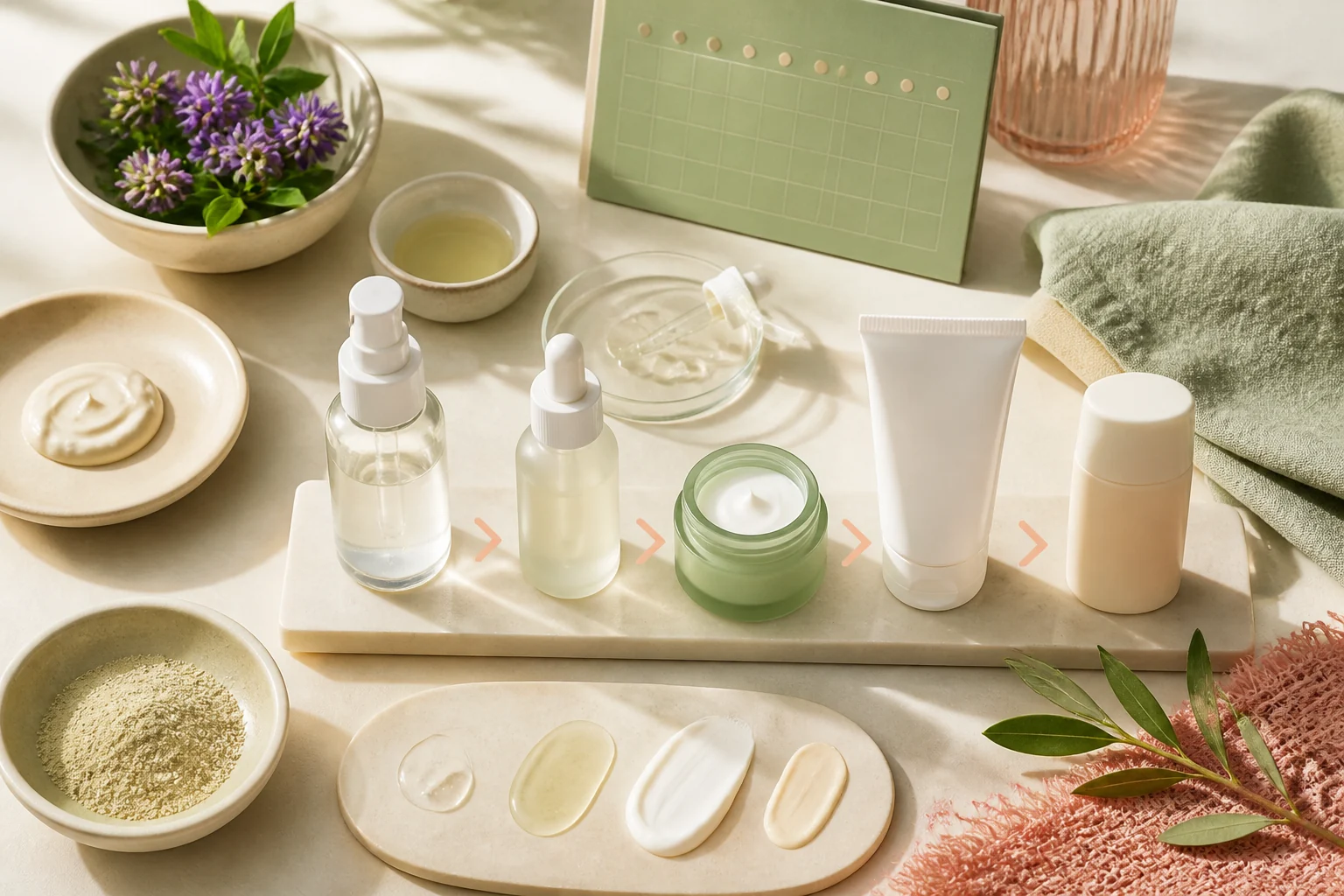
Here’s a complete routine that pairs bakuchiol with other pregnancy-conscious ingredients to discuss with your clinician.
Morning
- Gentle cleanser
- Vitamin C serum (or skip this step in the morning if using bakuchiol AM)
- Bakuchiol serum (optional, can be evening-only)
- Moisturizer
- Mineral sunscreen SPF 30+
Evening
- Cleanser (double-cleanse if you wore sunscreen and makeup)
- Bakuchiol serum, applied to clean dry skin
- Wait 1–2 minutes for absorption
- Moisturizer over the top
- Facial oil if your skin is particularly dry (squalane is an excellent neutral choice)
Starting protocol: apply 3 evenings per week for the first 2 weeks. If tolerated, increase to every other evening for weeks 3–4. By week 5, daily use is fine for most users. Patience is rewarded — bakuchiol is genuinely slow but steady.
What bakuchiol won’t do
To set expectations honestly:
- Bakuchiol is not as potent as prescription tretinoin. If you were on tretinoin before pregnancy, bakuchiol will not match those results.
- Bakuchiol will not erase deep, established wrinkles. It improves fine lines and texture; it doesn’t replace what only injectables, fillers, or aggressive treatments can address.
- Bakuchiol works slowly. If you want fast results, this isn’t your active. Plan for 12–24 weeks before you evaluate whether it’s working.
- Bakuchiol alone won’t dramatically resolve melasma. It can be part of a multi-ingredient approach (with vitamin C, niacinamide, azelaic acid, strict sunscreen), but melasma is stubborn.
When to see a dermatologist
- Persistent irritation from any bakuchiol product (uncommon, but possible)
- Pregnancy melasma that’s worsening despite using bakuchiol and other safe actives
- Acne that isn’t controlled by gentle topicals
- Significant hyperpigmentation that you’d like assessed for prescription-level options postpartum
Frequently asked questions
Can I use bakuchiol while breastfeeding?
The same considerations apply: minimal systemic absorption, no published evidence of harm, but no large studies in breastfeeding women specifically. Most dermatologists are comfortable with bakuchiol use during breastfeeding. Discuss with your provider.
Will I see results in the first trimester?
Probably not. Bakuchiol shows clear results at the 12-week mark in studies. If you started bakuchiol shortly after a positive pregnancy test, you might see initial improvements by your second trimester ultrasound.
Can I keep using bakuchiol after pregnancy?
Yes. Many women like it enough that they keep using it long after delivery. Some return to retinol; others combine the two; many use bakuchiol indefinitely as a maintenance active.
Is bakuchiol the same as Psoralen?
No. This is an important distinction. Psoralea corylifolia contains both bakuchiol and psoralen compounds. Psoralens are phototoxic — they make skin extremely sun-sensitive. Properly isolated, pharmaceutical-grade bakuchiol is psoralen-free. This is why you should buy products from reputable formulators that use isolated bakuchiol, not whole-plant extracts.
Does bakuchiol work for acne?
It has some anti-inflammatory and antibacterial effects, and one published study compared it favorably to 2% salicylic acid for mild acne. It’s reasonable to try if you’re pregnant and looking for acne support, but for moderate to severe acne, azelaic acid is the better-evidence option during pregnancy.
Can I use bakuchiol around my eyes?
Yes, more comfortably than retinol. The eye area tolerates bakuchiol much better than it does most retinol products. Many eye creams now include bakuchiol specifically because of this.
The bottom line
Bakuchiol is the closest practical substitute for retinol that is commonly discussed as lower-risk during pregnancy. It’s slower than retinol, less potent than tretinoin, and won’t perform miracles — but for women who want to maintain a meaningful active ingredient routine during pregnancy, it’s the most evidence-supported option available.
Pick a product that lists its concentration (look for 0.5%–1%), apply it consistently for at least three months before evaluating results, layer it with the other pregnancy-conscious ingredients to discuss with your clinician (vitamin C, niacinamide, azelaic acid), and don’t forget sunscreen. If you’re meaningfully consistent, you’ll be glad you found it.