
Editorial note: This article is for general skincare education only. It does not diagnose, treat, or replace advice from a dermatologist, OB-GYN, or other licensed clinician. If you are pregnant, breastfeeding, using prescription medications, or dealing with persistent or severe symptoms, confirm product and ingredient choices with your healthcare provider.
PanOxyl 10% Foaming Wash is one of those products that doesn’t get much attention from beauty media but quietly outperforms most premium acne treatments. It’s been on shelves for decades. It’s cheap, available at every drugstore, and for the right kind of body acne — particularly inflammatory, cystic, or stubborn cases — it works in a way that gentler treatments often can’t.
It’s also strong, drying, and capable of bleaching every dark towel and t-shirt in your house. Here’s how to use it well.
What’s in it and how it works
PanOxyl’s active ingredient is benzoyl peroxide at 10% concentration — the strongest over-the-counter formulation available. Benzoyl peroxide is one of the most-studied acne treatments in dermatology, with decades of evidence supporting its effectiveness.
How it works:
- Releases oxygen into the pore. Cutibacterium acnes (the bacteria involved in inflammatory acne) is anaerobic — it thrives in low-oxygen environments. Benzoyl peroxide breaks down on contact with skin, releasing oxygen that the bacteria can’t tolerate.
- Antibacterial without resistance. Unlike topical antibiotics, bacteria don’t develop resistance to benzoyl peroxide. This is one of its most important advantages — it works as well now as it did decades ago.
- Mild exfoliation. Helps unclog pores by gentle peeling at the surface.
- Reduces inflammation. Has anti-inflammatory effects within the follicle.
For inflammatory body acne specifically (the painful, red, pus-filled bumps versus simple blackheads), benzoyl peroxide is more effective than salicylic acid. It addresses the bacterial component directly, where salicylic acid focuses on the clogged-pore component.
Who benefits most from PanOxyl
Best candidates:
- Inflammatory body acne (red, painful bumps, pustules)
- Back acne (“bacne”) that hasn’t responded to salicylic acid
- Chest and shoulder acne
- Cystic body acne (in combination with prescription treatments)
- Post-workout body breakouts
- Acne that returns repeatedly in the same areas
- Anyone with body acne and oily skin
Less ideal for:
- Sensitive or rosacea-prone skin (benzoyl peroxide is too drying for most rosacea cases)
- Pregnancy and breastfeeding (limited evidence; usually safer alternatives exist)
- Very dry skin (will likely cause significant irritation and barrier damage)
- Fungal acne (doesn’t respond — actually contraindicated)
- Dark-skinned women without careful management (benzoyl peroxide can cause post-inflammatory hypopigmentation in some skin tones)
The product specifically: PanOxyl 10% Foaming Wash
PanOxyl makes two main body-friendly products:
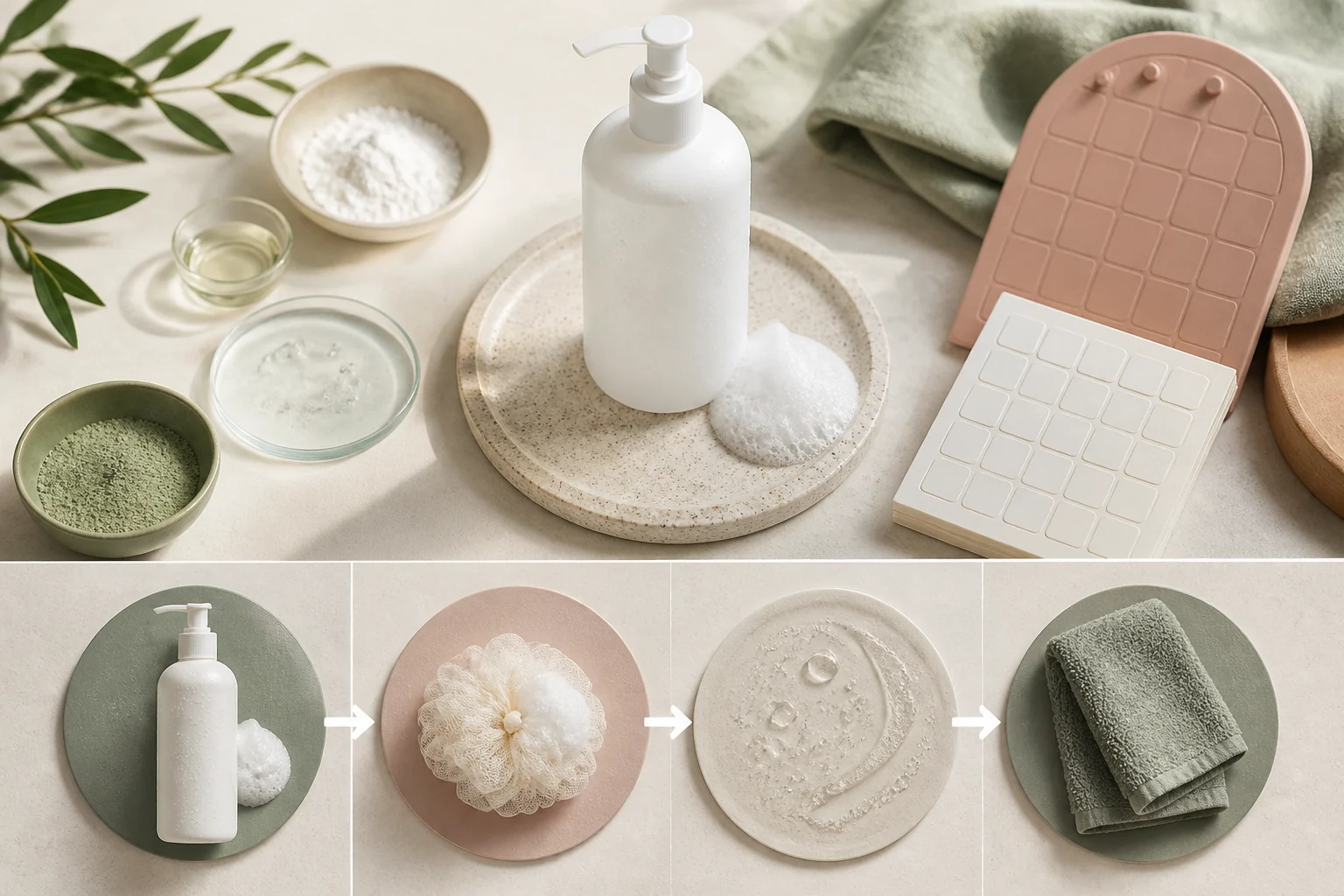
PanOxyl Acne Foaming Wash 10% Benzoyl Peroxide
The strongest over-the-counter version. Foamy, white, cherry-scented (the smell of which is some people’s nostalgia of teenage acne treatments and others’ active dislike). $10–$12 for a large bottle that lasts months.
PanOxyl Acne Creamy Wash 4% Benzoyl Peroxide
A gentler version. Cream-textured, less drying. Better for sensitive skin or as an introduction before scaling up to 10%.
The 10% is the most effective; the 4% is the gentler choice for getting started.
How to use PanOxyl correctly
This product can deliver visible cosmetic changes — and it can also cause real problems if used incorrectly. The instructions matter.
Starting protocol
- Patch test on a small area for 2–3 days first
- Start with 4% strength if available, or use 10% with very brief contact time at first
- Every other day for the first 2 weeks
- Daily after week 2 if well-tolerated
- Never twice daily on body skin unless directed by a dermatologist — overuse causes significant irritation and barrier damage
Application
- Get the affected area thoroughly wet under lukewarm water
- Apply a quarter-sized amount to a washcloth or directly to hand
- Lather over the acne-affected areas
- Leave on for 1–2 minutes — this is critical. Benzoyl peroxide needs contact time. If you rinse immediately, you’re getting much less effect than if you let it sit.
- Rinse thoroughly
- Pat dry with a white or older towel (see warning below)
- Apply fragrance-free body lotion to surrounding non-acne skin to compensate for drying effect
The bleaching problem
This needs to be a separate section because it surprises every PanOxyl user once. Benzoyl peroxide bleaches colored fabrics — towels, t-shirts, pillowcases, sheets, sports bras, and underwear.
The bleaching is permanent. It happens even when the product is rinsed off and the skin is dry. Residual benzoyl peroxide on the skin transfers to fabric on contact and creates white spots that won’t wash out.
Practical solutions:
- Use white towels for drying after PanOxyl showers
- Use white sheets and pillowcases, at least for the bed you sleep in immediately after treatment
- Wear white or light gray t-shirts after PanOxyl use, especially for sleep
- Wait 5–10 minutes after toweling off before getting fully dressed
- Be aware of dark gym clothing, sports bras, and workout shirts
- Don’t be surprised by the white spots — they’re permanent on most fabrics
How PanOxyl compares to other body acne treatments
vs. salicylic acid body wash
Salicylic acid is gentler and better for blackheads, mild bumps, and routine maintenance. PanOxyl is more effective for inflammatory acne (red, painful pustules). Many treatment protocols alternate or combine the two — salicylic acid wash some days, PanOxyl other days.
vs. Hibiclens or chlorhexidine washes
Some dermatologists recommend chlorhexidine washes (like Hibiclens) for body acne. The mechanism is different (broader antibacterial) and the effect is comparable in some studies. Either can work; PanOxyl is more universally available.
vs. prescription topicals (adapalene gel, clindamycin gel)
Prescription leave-on topicals work well on face but are impractical for back coverage. PanOxyl complements them — wash with PanOxyl in the shower, then apply the leave-on prescription to spot-treat smaller areas afterward.
vs. oral antibiotics
Oral antibiotics (doxycycline, minocycline) are sometimes prescribed for severe body acne. PanOxyl is often used alongside them — the antibiotic addresses systemic bacteria while PanOxyl prevents bacterial resistance from developing. Many dermatologists combine these specifically because PanOxyl reduces the risk of resistance.
vs. oral isotretinoin (Accutane)
For severe, cystic, scarring acne, isotretinoin remains the most powerful treatment. PanOxyl is not a substitute. But for moderate body acne, or as a maintenance treatment after isotretinoin, PanOxyl is appropriate.
Building a body acne routine with PanOxyl
For inflammatory body acne
Shower 1 (daily or every other day):
- Wet body
- Apply PanOxyl 10% to affected areas
- Leave for 1–2 minutes (do other shower steps)
- Rinse thoroughly
- Gentle body wash on non-acne areas
- Pat dry with white towel
- Fragrance-free moisturizer on surrounding skin
For mild to moderate body acne (combination approach)
- Monday/Wednesday/Friday: PanOxyl 10%
- Tuesday/Thursday/Saturday: Salicylic acid 2% body wash
- Sunday: gentle skin-soothing wash, moisturize generously
This approach uses both actives without overdoing either, and gives skin recovery time.
For very stubborn / cystic body acne
Daily PanOxyl + leave-on adapalene 0.1% (Differin gel) applied after shower to specific spots + see a dermatologist for possible oral medication.
Side effects and how to manage them
Dryness and tightness
Almost universal in the first 1–2 weeks. Manage by:
- Reducing frequency to every other day
- Reducing contact time to 30–45 seconds
- Layering fragrance-free body lotion on surrounding non-acne areas
- Using a humidifier in the bedroom
Stinging or burning on broken skin
Benzoyl peroxide on broken or actively inflamed cystic acne can sting significantly. Apply more sparingly, or use a body lotion barrier on the worst areas before applying.
Peeling
Some peeling is normal in the first 2 weeks. Excessive peeling means too-frequent use — reduce to every other day or three times weekly.
Increased UV sensitivity
Benzoyl peroxide can mildly sensitize skin to UV. Cover treated areas with clothing or sunscreen if exposed.
Bleaching of fabrics
Already discussed. Plan for it.
Hypopigmentation in darker skin tones
In some darker skin tones, benzoyl peroxide can cause temporary or persistent light spots (hypopigmentation) where it’s been applied. If you notice this, reduce frequency or switch to azelaic acid or salicylic acid alternatives.
Allergic reactions
Rare but possible. Severe redness, hives, intense burning warrant immediate discontinuation.
When NOT to use PanOxyl
- If you’re pregnant or breastfeeding without consulting your provider
- If you have known benzoyl peroxide allergy
- On open wounds or broken skin
- If your “body acne” might actually be fungal acne (folliculitis) — this doesn’t respond to benzoyl peroxide
- If you have severe eczema, rosacea, or other inflammatory skin conditions in the area
- Same day as other strong actives (retinoids, AHAs) in the same area — too much
Realistic timeline
- Week 1: Skin may feel tight or dry. Some “purging” — existing breakouts coming to surface — is normal.
- Weeks 2–3: New breakouts noticeably reduced. Existing inflammation calming.
- Weeks 4–6: Substantial reduction in active acne. Post-inflammatory hyperpigmentation beginning to fade.
- Weeks 8–12: Skin reaches a new baseline. Continued maintenance use prevents relapse.
When to see a dermatologist
- Body acne that doesn’t respond to 8 weeks of consistent PanOxyl use
- Cystic body acne (large, deep, painful bumps) — needs prescription treatment
- Body acne with scarring
- Body acne accompanied by hormonal symptoms (irregular periods, rapid hair growth, weight changes)
- Severe irritation from PanOxyl that doesn’t resolve with reduced use
- Persistent post-inflammatory hyperpigmentation that you’d like more aggressively treated
Frequently asked questions
Why is PanOxyl so cheap?
The active ingredient (benzoyl peroxide) is decades old and unpatented, the formulation is simple, and the brand has been making the same product for years. Cheap doesn’t mean ineffective — it means efficient.
Can I use PanOxyl on my face?
The 10% is too strong for daily face use. The 4% is sometimes used on the face but is still on the stronger side. For face acne, dedicated lower-percentage benzoyl peroxide products (2.5% to 5%) like Acne Free or PanOxyl 4% Creamy Wash are more appropriate.
Is PanOxyl often discussed as lower-risk during pregnancy, but worth confirming with your clinician?
Benzoyl peroxide’s pregnancy safety is debated. Limited evidence suggests low absorption from topical/wash use, but most dermatologists recommend pregnancy-conscious alternative to discuss with your clinicians (azelaic acid, salicylic acid in low concentrations) instead during pregnancy.
How long should I use it?
For active treatment, 8–12 weeks until skin clears. For maintenance, 2–3 times per week indefinitely is often used to prevent relapse. Some women shift to less-frequent use (1–2 times per week) once skin is stable.
Can I combine PanOxyl with retinol body lotion?
Yes, but with care. PanOxyl in shower, retinol lotion in the evening, with at least a few hours separation. Build up tolerance with both individually before combining.
Does PanOxyl help with keratosis pilaris?
Not particularly. KP is a separate condition (keratin buildup, not bacterial). For KP, salicylic acid and glycolic acid (AHA) work better. PanOxyl doesn’t worsen KP but doesn’t significantly help it either.
Why does it smell like cherries?
The cherry scent is a fragrance addition that’s been part of the PanOxyl formulation for decades. Some people find it nostalgic; others find it strong. If the scent bothers you, PanOxyl 4% Creamy Wash has a milder scent.
The bottom line
PanOxyl 10% Foaming Wash is one of the most effective drugstore body acne treatments available. For inflammatory body acne, it outperforms gentler options — and at $10–$12 for a bottle that lasts 2–3 months, it’s also one of the most cost-effective treatments in dermatology.
Use it correctly: start gradually, leave on for 1–2 minutes in the shower, follow with moisturizer on surrounding skin, and accept that it will bleach your towels and clothes. With these precautions, most users see meaningful results within 4–6 weeks and clearer body skin overall within 12 weeks.
For pregnant women or those with very sensitive skin, salicylic acid body washes (CeraVe SA, Naturium) are gentler alternatives that work for mild to moderate cases. For stubborn or severe body acne, combine PanOxyl with dermatologist guidance for the best outcomes.
It’s not glamorous. It’s not new. It just works.