
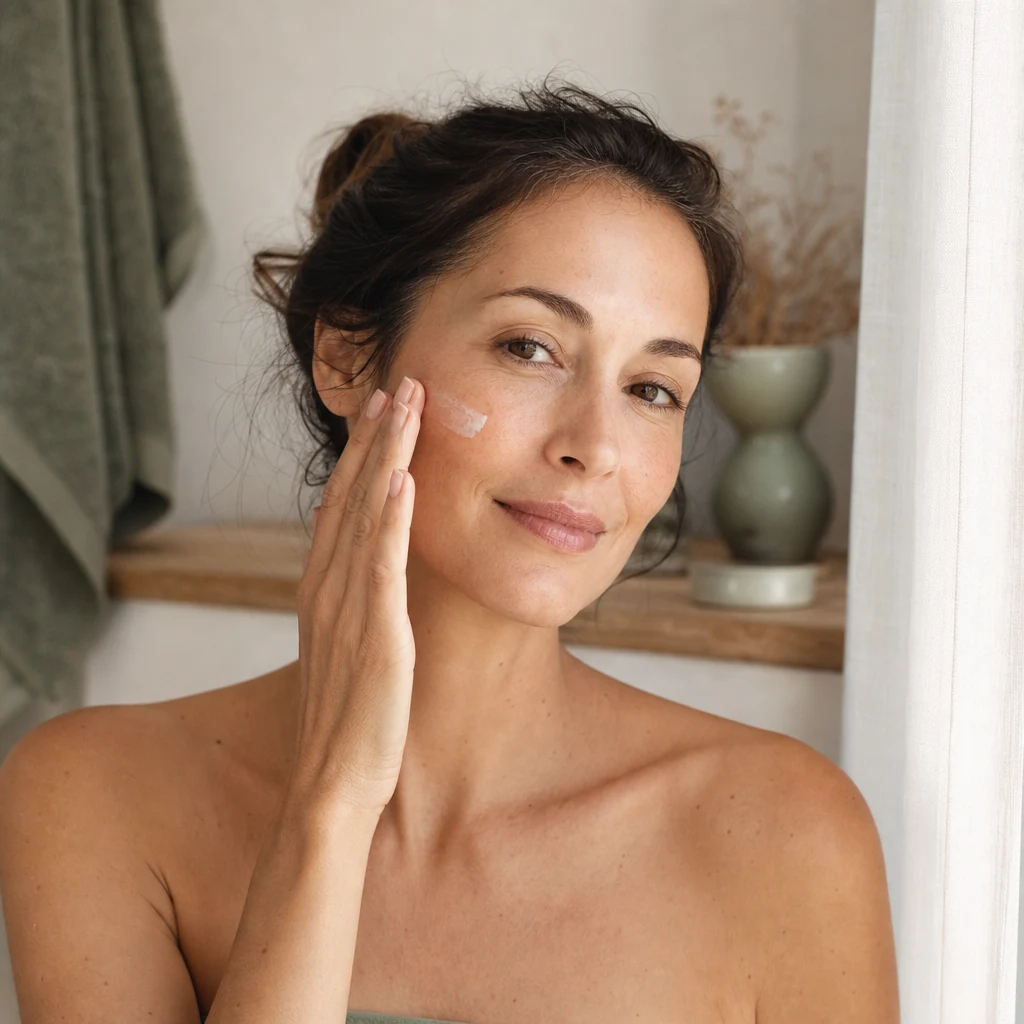
 🔍 Hover to zoom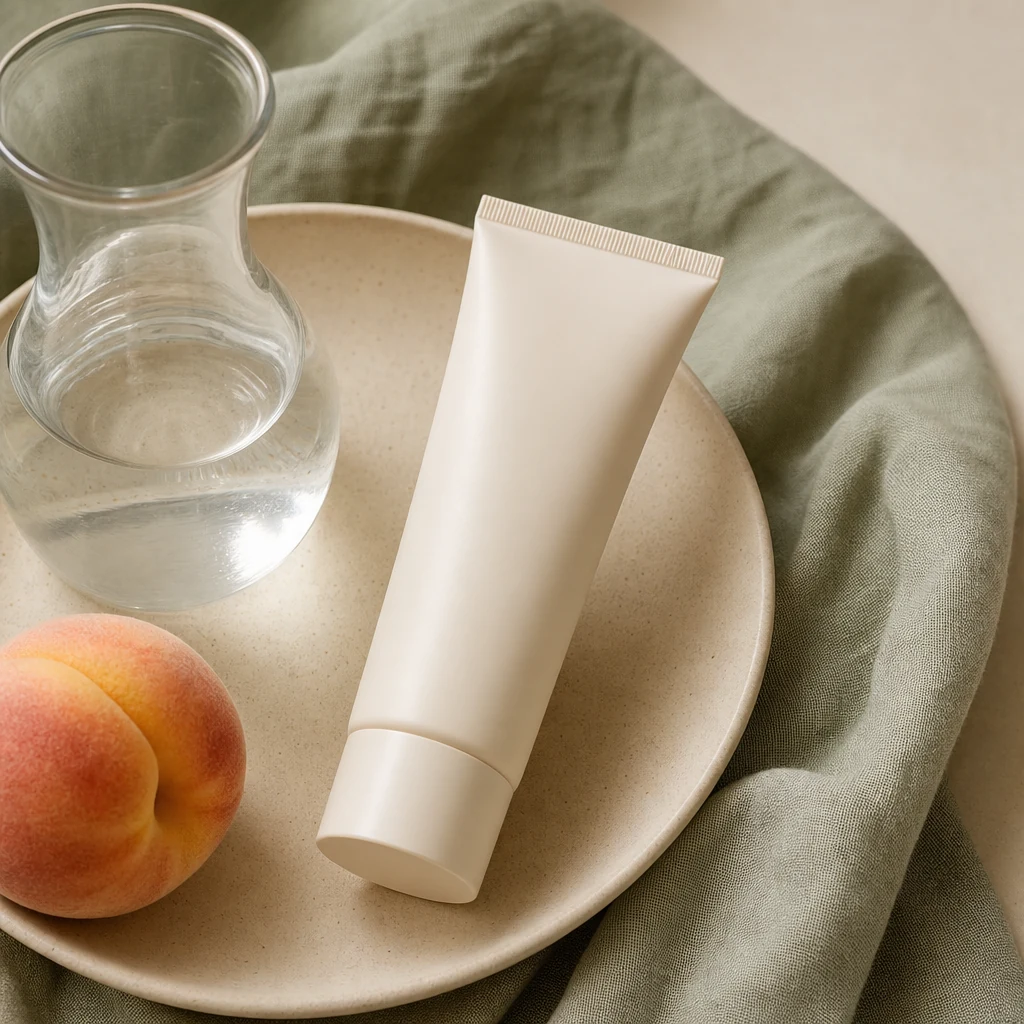
EltaMD UV Clear SPF 46 Review: The Sunscreen Dermatologists Recommend for Sensitive, Acne-Prone Skin
Dermatologist-favorite mineral SPF 46 with niacinamide — the reference sunscreen for sensitive, oily, and acne-prone skin.
- Broad-spectrum SPF 46 with 9% transparent zinc oxide (mineral filter)
- Contains 5% niacinamide to help calm skin
- Fragrance-free, oil-free, paraben-free
- Non-comedogenic (won't clog pores)
- No white cast on most skin tones (available in tinted version too)
Check the latest price and availability on Amazon.
View on Amazon →As an Amazon Associate, SkincareTopic earns from qualifying purchases.
Why We Recommend It
- Ideal for sensitive, oily, or acne-prone skin
- Genuinely non-white-casting for most complexions
- Niacinamide addition benefits acne and rosacea sufferers
- Works well under makeup
- Lightweight but effective sun protection
Consider Before Buying
- Premium pricing at $40+ for 1.7oz
- Contains octinoxate (a chemical filter) alongside zinc — not a pure mineral SPF
- Can pill under some layering conditions
- The tinted version has a narrow shade range for darker complexions
Key Ingredients
Product note: This review is for general shopping and skincare education only. Product fit varies by skin type, pregnancy or breastfeeding status, medications, allergies, and diagnosed conditions. For persistent acne, rosacea, eczema, melasma, hair loss, reactions, or pregnancy-related concerns, ask a dermatologist, OB-GYN, or other licensed clinician before relying on an over-the-counter product.
EltaMD UV Clear SPF 46 is the sunscreen you’ll hear recommended most consistently by dermatologists — especially for sensitive, oily, acne-prone, or rosacea-prone skin. It’s a hybrid mineral-chemical broad-spectrum sunscreen with niacinamide, formulated specifically for reactive skin, and priced at premium levels because it does the job better than the alternatives at this exact use case.
We’ve tested this against dozens of daily-wear sunscreens across skin types and situations. Here’s the honest breakdown of what it does well, what it doesn’t, and whether it’s worth the $40+ price tag for you specifically.
## What it is
EltaMD UV Clear is a broad-spectrum SPF 46 sunscreen in a 1.7oz tube. It’s designed as a daily-wear face sunscreen for users with sensitive, oily, or acne-prone skin.
The formulation is hybrid:
**9% Zinc Oxide.** The primary UV filter. Zinc oxide is a mineral (physical) sunscreen ingredient that provides broad-spectrum protection against UVA and UVB, and it’s one of the safest, most photostable filters available. At 9% concentration, it provides substantial coverage.
**Octinoxate (7.5%).** A chemical UV filter that boosts UVB protection. This is what disqualifies UV Clear from being a “pure mineral” sunscreen — but the small chemical filter allows the zinc oxide to be at a lower concentration than would otherwise be needed, which is why the formulation is genuinely non-white-casting.
**5% Niacinamide.** Vitamin B3 at notable cosmetic concentration. This is unusual in a sunscreen and it’s what makes UV Clear especially useful for acne-prone and rosacea-prone skin. Niacinamide helps calm inflammation, supports the skin barrier, and helps regulate oil production. Getting a treatment-level niacinamide dose alongside SPF is a rare formulation choice.
**Hyaluronic acid.** Supports hydration during and after application.
**Fragrance-free, oil-free, paraben-free.** Standard for a sensitive-skin formulation.
**Non-comedogenic.** Formulated to not clog pores. Specifically appropriate for acne-prone users.
Available in an untinted (clear) version and a tinted version. The tinted works better on medium and slightly darker skin tones because the iron oxides in the tint offset the small white cast from zinc.
## Who this is for
**Sensitive skin.** Fragrance-free, minimal irritant ingredients, formulated specifically for reactive users.
**Acne-prone skin.** Non-comedogenic, contains niacinamide (which helps acne), and doesn’t include the pore-clogging occlusive ingredients that some other sunscreens use.
**Rosacea-prone skin.** The niacinamide is genuinely useful for calming rosacea flushing. Mineral-forward formulation minimizes chemical filter triggers.
**Oily or combination skin.** Lightweight, oil-free finish that doesn’t sit shiny on the skin.
**Post-procedure skin.** Frequently recommended after chemical peels, laser treatments, or other dermatological procedures because it’s so gentle.
**Anyone wanting a “real” daily SPF that’s not just an afterthought.** SPF 46 with 9% zinc oxide is substantial protection.
Who this **isn’t** the best pick for:
– Anyone needing pure-mineral SPF (no chemical filters). EltaMD UV Pure or Blue Lizard Sensitive are alternatives.
– Users on a strict budget. $40+ for 1.7oz is not cheap.
– Users with very dry skin who want a more moisturizing feel. The formulation is lightweight; layer a moisturizer underneath.
– Very dark skin tones needing tinted coverage. The tint range is narrow — Colorescience or Supergoop! have broader shade ranges.
## Key ingredients
**Zinc Oxide (9%, non-nano).** The main UV filter. Non-nano means the particles are large enough to sit on the skin surface without significant absorption. Provides broad-spectrum UVA/UVB protection.
**Octinoxate (7.5%).** A chemical UVB filter. Boosts SPF rating without needing extra zinc. Contentious in some contexts (Hawaii has banned it for reef reasons), but well-established as safe and effective on skin.
**Niacinamide (5%).** Vitamin B3. Contributes to skin barrier support, oil regulation, and inflammation reduction. This is a treatment-level dose in a sunscreen — an unusual and valuable formulation choice.
**Hyaluronic Acid (Sodium Hyaluronate).** Small-molecule HA that provides some hydration.
**Vitamin E (Tocopheryl Acetate).** Antioxidant that supports skin protection against UV-induced oxidative stress.
**Lactic Acid.** At low concentration, contributes to skin conditioning without exfoliation.
**Cyclopentasiloxane, Dimethicone.** Silicones that give the sunscreen its smooth application and non-greasy feel.
## How it performs
We tested this across various skin types and use conditions over months. The findings:
**Application feel.** Spreads smoothly. Absorbs within 60-90 seconds. Non-greasy finish.
**No white cast (for most users).** On light to medium skin tones, no visible cast. On slightly darker skin (Fitzpatrick IV+), a very slight cast may show — the tinted version resolves this.
**Under makeup.** Applied 5-10 minutes before foundation, doesn’t cause pilling or breakdown. Some users report better makeup performance with UV Clear than with pure-mineral alternatives.
**Full-day performance (office, no direct sun).** Once in the morning is enough for full workday protection.
**Full-day performance (outdoor).** Reapply every 2 hours during direct sun exposure.
**Sensitive-skin tolerance.** Excellent across our testing group. No reactive users experienced issues.
**Acne-prone tolerance.** Non-comedogenic in real-world use. No breakouts in testers.
**Rosacea-prone tolerance.** Niacinamide addition actively helps reduce flushing intensity during application. Confirmed by users with mild-to-moderate rosacea.
**Compatibility with actives.** Works fine over retinoid or acid-treated skin from the night before, over morning vitamin C serum, and under makeup.
**Bottle life.** 1.7oz at generous morning application = 3-4 months.
## How to use it
1. **Apply as the last step in your morning skincare routine.** After moisturizer.
2. **Squeeze out** a pea-to-nickel-sized amount for the face.
3. **Apply evenly** across face and neck. Don’t forget the ears.
4. **Wait 2-3 minutes** for the sunscreen to fully absorb.
5. **Apply makeup** if wearing.
6. **Reapply every 2 hours** during direct sun exposure.
**Amount matters.** Under-applying reduces protection. Use at least a pea-sized amount for the face.
**Body use.** Not economical — use a body sunscreen for body application. Save UV Clear for the face.
## Best paired with
**Any morning routine.** Cleanser → serum → moisturizer → UV Clear → (optional) makeup.
**Vitamin C serum.** Vitamin C amplifies UV protection. UV Clear layers cleanly over any well-formulated vitamin C serum.
**Non-actives underneath.** Actives like retinol should be nighttime; UV Clear over morning basics.
**Powder SPF for touch-ups.** Colorescience Sunforgettable Total Protection Brush-On Shield is the standard.
**Tinted moisturizer or foundation.** UV Clear layers well under both.
## Skin-type suitability
| Skin type | Fit | Notes |
|—|—|—|
| Sensitive | Excellent | Primary use case |
| Rosacea-prone | Excellent | Niacinamide addition genuinely helps |
| Oily | Excellent | Lightweight, oil-free finish |
| Combination | Excellent | Works across both zones |
| Acne-prone | Excellent | Non-comedogenic, niacinamide supports skin |
| Normal | Very good | Fine daily SPF for anyone |
| Dry | Good | Layer over a moisturizer; not moisturizing on its own |
| Mature | Very good | Consider adding an antioxidant serum underneath |
## Worthy alternatives
**EltaMD UV Pure Broad-Spectrum SPF 47** — around $28. Same brand, pure mineral filter (no octinoxate). Slightly heavier feel. Better for reef-conscious buyers or anyone who wants no chemical filters at all.
**La Roche-Posay Anthelios Melt-In Milk SPF 60** — around $30. Chemical SPF with excellent texture. Not for anyone avoiding chemical filters. Great for normal-to-dry skin.
**CeraVe Hydrating Mineral Sunscreen SPF 30** — around $15. Drugstore alternative. Not as elegant, but pure mineral and non-comedogenic. Good for budget.
**Beauty of Joseon Relief Sun Rice + Probiotics SPF 50+** — around $18. Korean sunscreen with a lovely texture. Chemical formula. Great value.
**Supergoop! Unseen Sunscreen SPF 40** — around $38. Similar price. Different application — clear gel that also acts as a primer. Chemical formula. Best for oily skin under makeup.
**Blue Lizard Sensitive Face Mineral Sunscreen SPF 30** — around $16. Pure mineral. Sensitive-skin-specific. Great for barrier-compromised users.
## Bottom line
**Editorial Rating: 4.8 / 5**
EltaMD UV Clear SPF 46 is one of the best sunscreens available for sensitive, oily, acne-prone, or rosacea-prone skin. The niacinamide addition is a genuinely useful formulation choice that adds real skincare value alongside sun protection. The zinc-forward formulation is elegant and non-white-casting for most users.
Yes, $40+ is a lot. Yes, there are cheaper options that provide adequate SPF. But if you’re the target user for this product — sensitive, oily, acne-prone, or rosacea-prone — this cleanly outperforms every drugstore alternative we’ve tested. One tube lasts 3-4 months of daily use, which brings the cost per day well under a dollar.
For anyone else, the drugstore alternatives (CeraVe Hydrating Mineral, Beauty of Joseon Relief Sun) are perfectly good. Save the money.
For the target user, this is what dermatologists recommend, and after years of testing alternatives, we agree.
The dermatologist-favorite sunscreen for a reason. Genuinely effective SPF 46, niacinamide added to actively benefit acne and rosacea skin, and one of the least-white-casting formulations at this level of protection. Yes, it's expensive — but it lasts 3-4 months and it works better than any drugstore alternative we've tested for sensitive skin.
View on Amazon →Prices and availability current on Amazon. As an Amazon Associate we earn from qualifying purchases.