
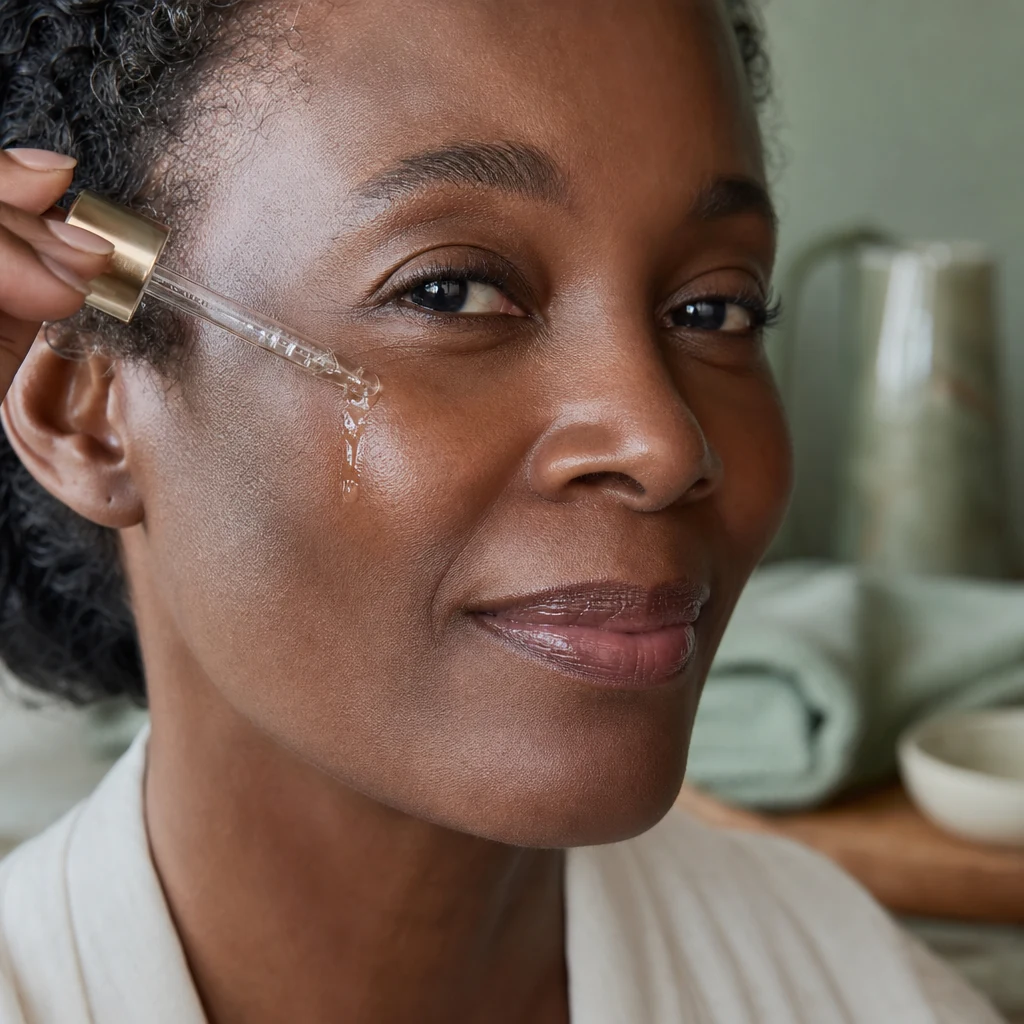
 🔍 Hover to zoom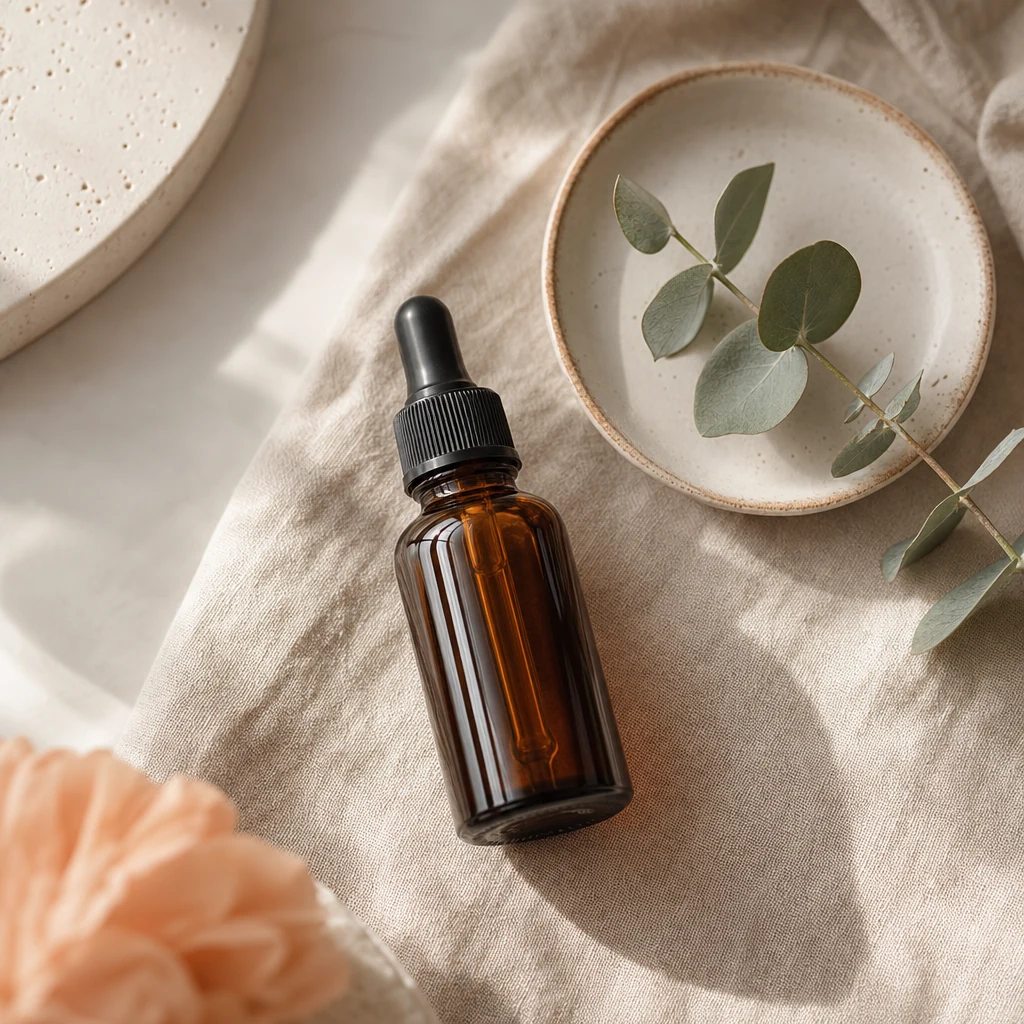
The Ordinary Retinol 0.5% in Squalane Review: A Serious Middle-Strength Retinol for Under $10
Middle-strength retinol in a squalane base — the affordable step up once 0.2% feels too tame.
- True 0.5% retinol dose in a stable squalane base
- Water-free formula for reduced retinol degradation
- Under $10 for a 30ml bottle — 3-4 months of use
- Middle rung on The Ordinary's retinol ladder (0.2% → 0.5% → 1.0%)
- Non-comedogenic squalane carrier is skin-identical
Check the latest price and availability on Amazon.
View on Amazon →As an Amazon Associate, SkincareTopic earns from qualifying purchases.
Why We Recommend It
- Genuine 0.5% retinol at a fraction of prescription cost
- Squalane base minimizes irritation compared to alcohol carriers
- Water-free packaging protects retinol from oxidation
- Straightforward transition path from 0.2% starter formulas
- Excellent value for serious retinol use
Consider Before Buying
- Not appropriate for beginners — start with 0.2% first
- Squalane base leaves a slightly oily finish
- Can trigger initial peeling during 4-6 week adjustment
- Not often discussed as pregnancy-compatible (retinoids contraindicated)
Key Ingredients
Product note: This review is for general shopping and skincare education only. Product fit varies by skin type, pregnancy or breastfeeding status, medications, allergies, and diagnosed conditions. For persistent acne, rosacea, eczema, melasma, hair loss, reactions, or pregnancy-related concerns, ask a dermatologist, OB-GYN, or other licensed clinician before relying on an over-the-counter product.
The Ordinary’s Retinol 0.5% in Squalane is a product that quietly does one of the hardest things in skincare: it delivers a genuine mid-strength retinol dose in a stable formula for under $10. That combination — real dose, real stability, drugstore price — was borderline impossible before The Ordinary launched. Even now, competitors at this price point tend to cut corners on either the retinol concentration or the packaging that keeps retinol from oxidizing on the shelf.
This is not a beginner product. If you’re new to retinoids, start with The Ordinary’s 0.2% version and work up. If you’ve been on 0.2% for two months without irritation, this is the natural next step. And if you eventually outgrow 0.5%, the same product line offers 1.0% at nearly the same price point.
## What it is
The Ordinary Retinol 0.5% in Squalane is a 30ml water-free serum containing 0.5% pure retinol suspended in squalane (a skin-identical lipid derived from olives or sugarcane). It’s night-use only.
It’s the middle rung of The Ordinary’s retinol ladder:
– **Retinol 0.2% in Squalane** — starting strength for beginners
– **Retinol 0.5% in Squalane** — this product; the next step up
– **Retinol 1.0% in Squalane** — the high end; for experienced retinol users only
The Ordinary also offers Granactive Retinoid 2% Emulsion and Granactive Retinoid 5% in Squalane — these use hydroxypinacolone retinoate (a retinoid ester) rather than pure retinol, and follow a different tolerance curve. If you’re new to the brand, stick with the retinol line and follow the ladder.
**Water-free formulation.** Retinol degrades rapidly in water-containing formulas exposed to light and air. Suspending retinol in pure squalane (which is chemically inert and shelf-stable) preserves the active ingredient over the product’s lifetime. The Ordinary’s opaque bottle further protects it from UV.
**Squalane as carrier.** Squalane is a non-comedogenic lipid found naturally in skin sebum. It doesn’t clog pores, doesn’t oxidize like some plant oils, and provides a smooth application texture with mild emollient benefits of its own.
**No supporting actives.** Just retinol and squalane. No niacinamide, no peptides, no HA. This is intentional — The Ordinary’s philosophy is single-active isolation so you can build a routine to your specific needs.
## Who this is for
**Users graduating from 0.2% retinol.** If you’ve used 0.2% for 8-12 weeks without irritation, 0.5% is the appropriate step up.
**Prescription tretinoin dropouts.** If you couldn’t tolerate 0.025% or 0.05% tretinoin due to irritation, retinol 0.5% is a gentler alternative that delivers meaningful (if slower) results.
**Visible-aging routines starting in 30s or 40s.** Fine lines, texture, and early photoaging respond well to consistent retinol use over 3-6 months.
**Hyperpigmentation and post-inflammatory marks.** Retinol accelerates cell turnover, fading dark spots and PIH over months of consistent use.
**Adult acne with texture concerns.** Retinol addresses both active breakouts and the textural aftermath.
**Users of drugstore-priced skincare.** Under $10 for a 3-4 month supply is competitive with mass-market brands that use lower retinol concentrations.
**Users of aggressive routines.** If you’re already using acids, benzoyl peroxide, or other actives, 0.5% retinol integrates well as long as you sequence properly (see “How to use it”).
Who this **isn’t** the best pick for:
– Retinol beginners — start with 0.2% first, always.
– Very sensitive or rosacea-prone skin — even 0.5% can trigger flares.
– Pregnant or breastfeeding users — retinoids are contraindicated; use bakuchiol instead.
– Users unwilling to wear SPF daily — non-negotiable with retinol.
– Skin currently in barrier compromise — heal first, retinize later.
## Key ingredients
**Retinol.** Pure vitamin A alcohol at 0.5% concentration. In skin, retinol converts to retinaldehyde and then to retinoic acid (the same active found in prescription tretinoin). This two-step conversion is what makes OTC retinol gentler than prescription tretinoin — and also slower.
Retinol binds to nuclear retinoid receptors, upregulating collagen synthesis, accelerating cell turnover, and normalizing keratinocyte differentiation. The visible effects: smoother texture, fewer fine lines, faded pigmentation, fewer clogged pores.
**Squalane.** Hydrogenated squalene, a fully saturated lipid identical to a component of human sebum. Non-comedogenic (does not clog pores). Chemically inert (doesn’t oxidize). Provides an emollient carrier that helps retinol distribute evenly and reduces its irritation potential compared to alcohol- or water-based carriers.
**BHT.** Butylated hydroxytoluene — an antioxidant that helps preserve retinol stability in the bottle.
**Solanum lycopersicum (tomato) fruit extract.** A minor supporting antioxidant. Not a significant player in the formulation.
That’s essentially the entire ingredient list. The formula is deliberately minimal — this is a delivery vehicle for retinol, not a hybrid product.
## How it performs
**Real retinol effects, delivered slowly.** Expect 8-12 weeks for visible texture improvement, 3-6 months for meaningful visible-aging results, and 6-12 months for maximum benefit. Consistency matters more than dose escalation.
**Adjustment period.** Weeks 2-6 typically include some peeling, mild redness, or increased dryness. This is normal retinization, not a bad reaction, as long as it’s mild. Reduce frequency (2x/week instead of nightly) if it’s intense.
**Squalane-oil finish.** The oil-based carrier leaves skin feeling slightly oily for 20-30 minutes after application. Layers well with a subsequent moisturizer.
**Doesn’t sting on application.** Unlike prescription tretinoin, which often stings on contact, this formulation applies without immediate sensation. Any discomfort develops later during the retinization adjustment.
**Compatible with most other actives.** Fine to pair with niacinamide (same night, before retinol) or hyaluronic acid. Avoid same-application with acids, benzoyl peroxide, or vitamin C — these can inactivate retinol or increase irritation.
**Value per bottle.** 30ml at 3-5 drops per night, used 3-7 nights per week, lasts 3-4 months. That’s under $3 per month of active retinol treatment.
**Stability.** With the opaque bottle and water-free formulation, potency is preserved for 6+ months after opening. Store away from direct light and heat.
## How to use it
1. **Cleanse and dry skin completely.** Wait 15-20 minutes after cleansing — applying retinol to damp skin increases irritation.
2. **Dispense 3-5 drops** into your palm.
3. **Warm briefly** between fingertips.
4. **Press into skin** across face and neck (avoid eyelids, corners of nose/mouth, and lips). Don’t rub aggressively.
5. **Wait 5 minutes.**
6. **Apply moisturizer** — this both cushions the retinol and helps distribute it evenly.
7. **In the morning: cleanse gently, moisturize, and apply SPF 30+.** SPF is non-negotiable with any retinoid.
**Frequency ramp-up:**
– Week 1-2: 2 nights per week (Mon/Thu)
– Week 3-4: 3 nights per week (Mon/Wed/Fri)
– Week 5-6: 4-5 nights per week
– Week 7+: Nightly if tolerated
**If irritation develops:** back off frequency by one step. Don’t stop entirely — this creates a start-stop cycle that never builds tolerance.
**Sandwich technique for sensitive users:** apply moisturizer first, wait 5 minutes, then retinol, then a second moisturizer layer. Reduces potency slightly but also reduces irritation significantly.
## Best paired with
**Hyaluronic acid serum (before, on damp skin).** Adds hydration that offsets retinol’s drying tendency. Apply, wait for skin to fully dry, then retinol.
**Ceramide moisturizer (after).** CeraVe Moisturizing Cream, La Roche-Posay Toleriane Double Repair, or Vanicream Moisturizing Cream all pair well.
**Niacinamide serum (before, on same nights).** Can reduce retinol irritation. Some users prefer to alternate nights instead of layering.
**Peptide serum (alternate mornings).** Complementary visible-aging pathway without conflict.
**SPF 30+ (every morning).** Non-negotiable. EltaMD UV Clear or La Roche-Posay Anthelios Melt-In Milk pair well.
**Avoid same-night pairing with:** AHA/BHA acids, benzoyl peroxide, high-concentration vitamin C. These can inactivate retinol or compound irritation.
## Skin-type suitability
| Skin type | Fit | Notes |
|—|—|—|
| Normal | Excellent | Ideal user profile |
| Oily | Excellent | Squalane doesn’t clog; retinol addresses oil overproduction |
| Combination | Very good | Adjust frequency to dryer areas |
| Mature | Excellent | Visible-aging benefits are the primary use case |
| Acne-prone | Very good | Retinol addresses acne and texture together |
| Sensitive | Fair | Start with 0.2%, not this; move up only if tolerated |
| Dry | Good | Use with a rich moisturizer and start slowly |
| Rosacea-prone | Poor | Retinol can trigger flares; consult dermatologist |
| Pregnancy | Contraindicated | Retinoids are unsafe; use bakuchiol instead |
## Worthy alternatives
**The Ordinary Retinol 0.2% in Squalane** — around $8. Start here first, always. Same formulation at gentler strength.
**The Ordinary Retinol 1.0% in Squalane** — around $9. The high end of the retinol ladder. Only for experienced users who’ve tolerated 0.5% for months.
**The Ordinary Granactive Retinoid 2% Emulsion** — around $12. Uses hydroxypinacolone retinoate instead of retinol; gentler adjustment curve.
**Prescription tretinoin (0.025% to 0.05%)** — around $30-80 with insurance. Higher potency, faster results, requires prescription.
**Naturium Retinol Complex Serum** — around $18. Slightly gentler formulation with niacinamide added.
**RoC Retinol Correxion Deep Wrinkle Night Cream** — around $22. Drugstore option with retinol embedded in a moisturizer. Convenience over customization.
**CeraVe Resurfacing Retinol Serum** — around $22. Encapsulated retinol at lower concentration, with ceramides and licorice root extract.
## Bottom line
**Editorial Rating: 4.5 / 5**
The Ordinary Retinol 0.5% in Squalane is one of the strongest value plays in skincare — a genuine mid-strength retinol dose in a stable water-free formula for under $10. If you’ve already tolerated 0.2% for two months, this is the natural next step. If you’re starting from zero, start at 0.2% instead.
The formulation is intentionally minimalist: retinol and squalane, plus a preservative. No niacinamide, no HA, no peptides — build those into your routine separately. The trade-off is that this product costs about a third of what “complete” retinol serums with supporting actives run.
Retinol is a marathon, not a sprint. Consistent use over 3-6 months delivers real visible-aging results. Skip nights when your skin is irritated, but come back to it — the users who see the biggest results are the ones who stick with it for 12+ months.
At $8-11 for a bottle that lasts 3-4 months, this is one of the best value picks in the entire skincare category. Just don’t start here — earn your way up from 0.2%.
The Ordinary's Retinol 0.5% in Squalane is the middle rung of the brand's retinol ladder — the appropriate step up once you've been using 0.2% for 8-12 weeks without irritation. At 0.5%, you're getting a genuine visible-aging dose in a stable water-free formula for under $10. It's not prescription tretinoin, but it's close enough that most users don't need to escalate further. Don't start here — start at 0.2% and work up.
View on Amazon →Prices and availability current on Amazon. As an Amazon Associate we earn from qualifying purchases.