
Editorial note: This article is for general skincare education only. It does not diagnose, treat, or replace advice from a dermatologist, OB-GYN, or other licensed clinician. If you are pregnant, breastfeeding, using prescription medications, or dealing with persistent or severe symptoms, confirm product and ingredient choices with your healthcare provider.
You used to be able to use any lotion in the drugstore and your skin felt fine. Then around your mid-40s, that stopped working. Then around 50, even the products marketed as “rich” or “hydrating” started feeling inadequate. Now your skin feels tight by mid-afternoon, looks dull, and fine lines look deeper than they should.
If this is you, you’re not imagining it. Mature skin has different moisture needs than younger skin, and the products designed for younger skin genuinely don’t compensate. Here’s what changed and what to do about it.
Why mature skin is genuinely drier
Several biological changes converge to make skin drier as it ages:
Reduced sebum (natural oil) production. Sebaceous glands shrink and produce less oil starting in your 40s. The natural moisture-retaining lipid film that kept your face comfortable without thinking about it slowly thins.
Hyaluronic acid declines. Your skin’s natural moisture-binding molecule reduces in concentration by approximately 50% between ages 40 and 60. Less HA means less water held in the skin.
Ceramide production drops. The lipids that hold your skin barrier together decline with age — particularly accelerating after menopause.
Cell turnover slows. The cycle that replenishes the skin surface takes 60+ days in mature skin versus 28-40 days in younger skin. Older surface cells hold less moisture.
Estrogen withdrawal (menopause). Estrogen supports both collagen production and skin hydration. Menopause drops estrogen by 60-80%, with cascading effects on skin moisture levels.
Reduced filaggrin and natural moisturizing factor (NMF). The internal molecules that draw water into skin cells decline with age, making each skin cell hold less water than it used to.
The result: skin that genuinely cannot retain moisture as effectively as it once did. The products you used in your 30s aren’t enough not because the products got worse, but because your skin’s natural moisture-retention infrastructure has weakened.
What dry mature skin often benefits from
A moisturizer for dry mature skin needs to do three jobs simultaneously, each addressing a different layer of the moisture problem:
1. Pull moisture in (humectants)
Humectants attract water — from the air and from the deeper layers of your skin — to the surface where it’s needed. The most effective:
- Hyaluronic acid — multiple molecular sizes work best (varying weights penetrate different depths)
- Glycerin — reliable, inexpensive, works in all formulations
- Urea (5-10% in cosmetic formulations) — both humectant and gentle exfoliant. Particularly effective for very dry, rough mature skin.
- Sodium PCA — part of skin’s natural moisturizing factor
- Panthenol (provitamin B5) — supportive humectant with soothing properties
2. Replace lost lipids (occlusive emollients)
The decline in natural sebum and ceramides leaves “gaps” in the skin barrier. These need to be filled to reduce water loss:
- Ceramides (NP, AP, EOP) — the most important. Look for products listing multiple ceramide types.
- Cholesterol — the second-most-abundant barrier lipid
- Squalane — plant-derived oil similar to natural sebum
- Shea butter — heavy emollient, very effective for severely dry skin
- Plant oils (jojoba, argan, marula, rosehip) — fill in for reduced sebum production
- Petrolatum (Vaseline) — old-school but extremely effective occlusive for very dry skin
- Dimethicone — silicone-based occlusive, creates a smooth surface barrier
3. Lock the layer in place (true occlusives)
The thicker the barrier on the surface, the slower water evaporates. For severely dry skin, occlusive ingredients are essential:
- Petrolatum (petroleum jelly) — the gold standard for preventing water loss. Reduces evaporation by 99%.
- Lanolin — wool wax, very effective but causes contact allergy in some people
- Beeswax — natural occlusive, well-tolerated
- Heavy plant oils (cocoa butter, shea butter) — emollient and partially occlusive
A well-formulated mature-skin moisturizer combines all three categories — humectants to pull moisture in, lipids to replace what’s missing, and occlusives to keep it from evaporating.
What dry mature skin doesn’t need (despite marketing)
- Heavy fragrance. The reactive, thinning skin barrier of mature skin is more prone to fragrance irritation than younger skin.
- Aggressive “visible-aging” actives in your moisturizer. Acids, high-concentration retinol — these belong in dedicated treatments, not in your basic moisturizer. The moisturizer’s job is moisturizing.
- Denatured alcohol. Drying, barrier-damaging.
- Lightweight “gel” textures (in most cases). Gel formulations work for younger skin or oily skin; they often don’t deliver enough lipid replacement for genuinely dry mature skin. Cream textures usually outperform gels in this category.
- Products that “promise visible results in 7 days.” Marketing. Real mature-skin improvement happens over weeks and months, not days.
Best moisturizers for dry mature skin — by category
Drugstore essentials (under $30)
- CeraVe Moisturizing Cream ($18) — the reference standard. Three types of ceramides plus hyaluronic acid in a substantial cream texture. Best general-purpose mature-skin moisturizer. Comes in a tub for generous application.
- Cetaphil Rich Hydrating Night Cream ($25) — designed specifically for dry mature skin at night. Includes hyaluronic acid and shea butter.
- Eucerin Original Healing Cream ($14) — petroleum-based occlusive. Less elegant texture, but powerful for very dry, cracked skin.
- Aquaphor Healing Ointment ($14) — heavy occlusive. Used as a “slugging” layer over moisturizer for severely dry skin overnight.
- Olay Regenerist Whip Face Moisturizer Max Hydration ($28) — drugstore “visible-aging” option that performs better than its price suggests.
Mid-tier ($30-80)
- First Aid Beauty Ultra Repair Cream ($38) — colloidal oatmeal plus ceramides plus shea butter. Soothing for reactive mature skin in addition to moisturizing.
- La Roche-Posay Toleriane Double Repair Face Moisturizer ($25) — niacinamide-prebiotic-ceramide complex. Lighter texture than CeraVe; good for combination dry skin.
- Drunk Elephant Lala Retro Whipped Cream ($60) — six African oils plus ceramides. Heavy, occlusive feel.
- Vichy Aqualia Thermal Rich Cream ($35) — thermal spring water plus hyaluronic acid plus shea butter. French pharmacy quality.
- Pond’s Rejuveness Anti-Wrinkle Cream ($12 — surprisingly inexpensive premium quality) — alpha-hydroxy acid plus collagen-supporting peptides plus rich texture.
Premium ($80+)
- SkinCeuticals Triple Lipid Restore 2:4:2 ($140) — the most-researched mature-skin moisturizer. Contains ceramides, cholesterol, and fatty acids in the specific 2:4:2 ratio identified as optimal for mature skin barrier repair. Worth it for users with significant dryness who can afford the price.
- Avene RetrinAL Eyes ($80) — for the eye area, retinaldehyde plus ceramides at strengths designed for mature delicate skin.
- iS Clinical Reparative Moisture Emulsion ($80) — premium pharmacy brand, well-formulated.
- StriVectin TL Advanced Tightening Neck Cream ($89) — specifically for neck and decolletage, which often need richer moisture than the face.
- La Mer Crème de la Mer ($200+) — iconic luxury option. Effective but not categorically better than $25 alternatives despite the price.
Specifically for menopause and post-menopause skin
- Emepelle Night Cream ($175) — contains MEP technology designed for estrogen-deficient skin. Clinical evidence specifically for menopause-related skin changes.
- Vichy Neovadiol Peri-Menopause and Post-Menopause lines ($55-65) — French pharmacy formulations targeting menopause skin changes specifically.
- StriVectin Multi-Action Restore Cream ($75) — niacinamide-focused, marketed for mature skin loss of firmness
Application technique for maximum benefit
Layer properly
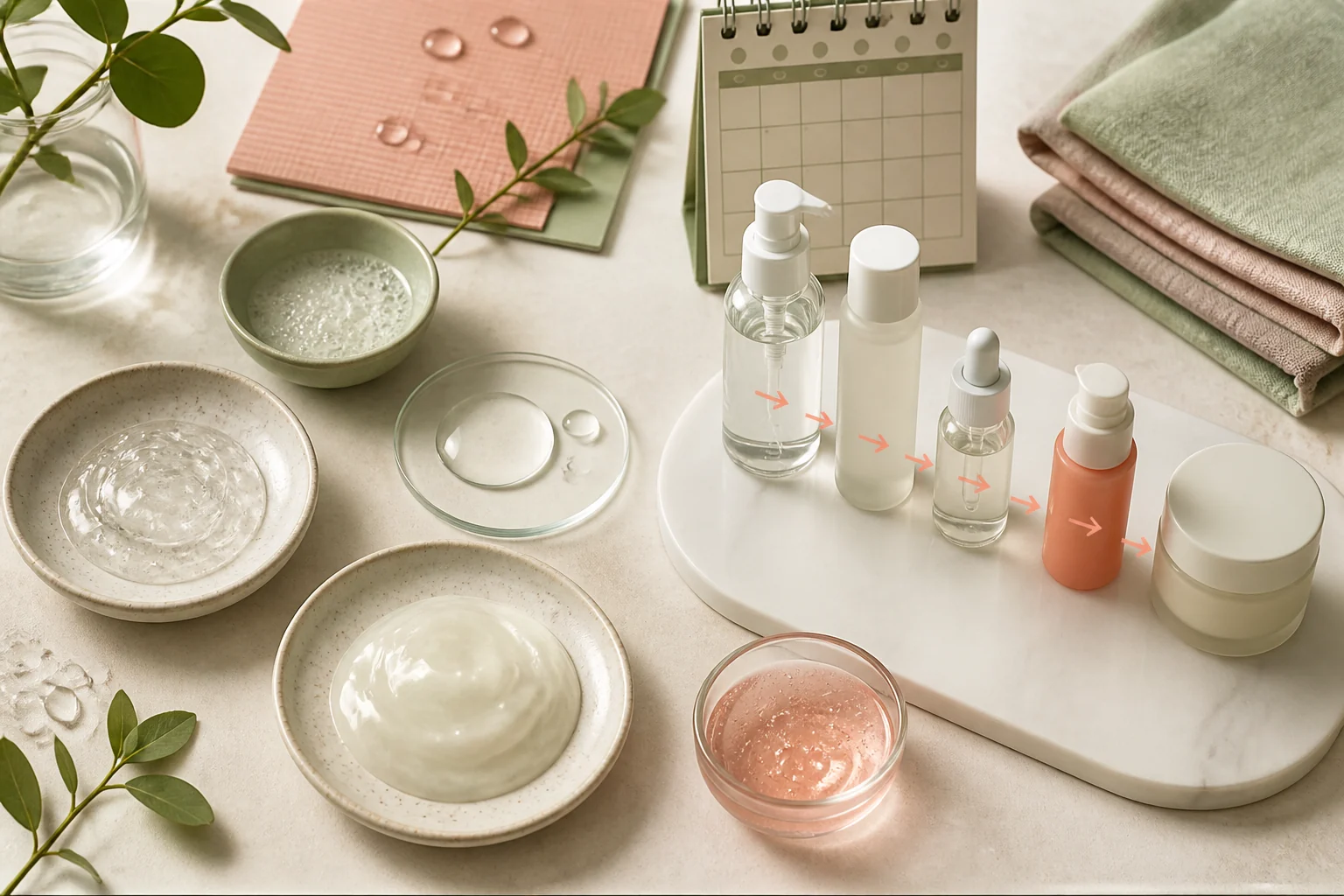
For dry mature skin, layering products produces dramatically better results than relying on a single moisturizer:
- Hyaluronic acid serum applied to slightly damp skin — pulls water into the deeper layers
- Ceramide moisturizer over the top — provides lipid replacement and locks in the HA serum’s moisture
- Facial oil (optional) — a few drops of squalane, marula, or argan oil over the moisturizer for additional occlusion
- Occlusive top layer (for very dry skin or “slugging”) — a thin layer of petroleum jelly or Aquaphor over everything before bed. Holds all the previous layers in place overnight.
Apply within 60 seconds of cleansing
Slightly damp skin absorbs moisturizers dramatically better than dry skin. Pat — don’t fully dry — and apply immediately.
Use enough product
Dime-sized amounts that work for younger skin aren’t enough for mature dry skin. A nickel-sized amount for the face is reasonable; up to a half-teaspoon for very dry skin.
Don’t forget the neck and decolletage
These areas age faster than the face for most women. Extra moisturizer here pays compounding dividends over years.
Reapply mid-day if needed
Very dry mature skin sometimes benefits from a mid-day reapplication. A travel-sized moisturizer kept at your desk for the post-lunch tightness can be transformative.
The “slugging” technique for severely dry skin
“Slugging” — a term borrowed from K-beauty — involves applying a thin layer of petroleum jelly (Vaseline) or Aquaphor over your entire skincare routine before bed. The occlusive layer prevents nighttime water loss and dramatically improves how moisturized skin feels in the morning.
How to slug effectively:
- Complete your normal evening routine (cleanser, serums, moisturizer)
- Apply a thin (pea-sized) layer of Vaseline or Aquaphor over your face and neck
- Use a clean pillowcase
- Wash thoroughly in the morning
When to slug:
- Once or twice weekly for general maintenance
- Nightly during extreme dry periods (winter, after travel, post-illness)
- NOT on the same night as retinol or strong actives — increases their absorption and irritation potential
When NOT to slug:
- If you’re acne-prone — petrolatum can clog pores in some users
- If you have very oily skin
- On nights you’ve used aggressive actives
Common mistakes
- Using lightweight lotion when you need a cream. If your skin feels tight 2-3 hours after applying a lotion, you’ve outgrown lotion texture. Move to cream.
- Skipping mid-day reapplication. Very dry skin often needs a midday refresh that wouldn’t have been necessary at 30.
- Using “visible-aging” products as your only moisturizer. Most “visible-aging” formulations are inadequate as standalone moisturizers — they emphasize actives at the expense of basic hydration.
- Hot showers and washing with hot water. Strip lipids; worsen dryness.
- Skipping moisturizer during the day because makeup is going on top. Foundation looks worse on dehydrated skin. Moisturizer first, always.
- Not using moisturizer on the neck. The cumulative absence of care on the neck shows in your 60s.
- Trying every new product that promises miracles. Mature skin needs consistency. Switching products every few months disrupts the slow improvements that consistency produces.
What about retinoids and actives?
Dry mature skin can absolutely use retinoids — they’re some of the most beneficial ingredients for visible aging — but they need to be paired with adequate barrier support.
The approach:
- Get your moisturizing routine solid for 4-6 weeks first
- Then introduce retinoid slowly (once per week, gradually building to every other night)
- Always apply retinoid to dry skin, then generous moisturizer on top
- Consider the “sandwich method” — moisturizer, wait 5 minutes, retinoid, wait 5 minutes, more moisturizer
- Use the lowest effective retinoid strength — adapalene 0.1% (Differin) is often well-tolerated by mature skin and produces visible cosmetic changes
Frequently asked questions
Will heavier moisturizer make my skin break out?
Generally no, despite popular belief. Most mature dry skin tolerates rich moisturizers without breakouts. If you’re acne-prone in addition to dry-skinned, choose non-comedogenic formulations (CeraVe, La Roche-Posay Toleriane) and avoid heavy plant oils as primary ingredients.
Is one heavy night cream better than layering?
Layering usually wins. A serum + moisturizer + facial oil delivers more total moisture than even the heaviest single cream. The layers also target different aspects of the moisture problem.
Should I use a different moisturizer in summer vs. winter?
Often yes. Mature skin sometimes tolerates lighter formulations in humid summer weather and needs richer formulations in dry winter conditions. Many women use CeraVe Daily Lotion in summer and CeraVe Moisturizing Cream in winter.
How do I know if I need a richer moisturizer?
Signs your current moisturizer isn’t enough: tight feeling within 2 hours of applying, visible flaky patches by mid-day, skin that looks dull or thin, fine lines that appear more visible than they should.
Are eye creams necessary?
Usually not for dry mature skin specifically. Your regular moisturizer applied gently around the eye area (avoiding the eyelid itself) is sufficient for most users. Dedicated eye creams are useful only for specific concerns (dark circles, puffiness) and even then their benefits are modest.
What about humidifiers?
Worth it, especially in winter or in dry climates. A bedroom humidifier maintaining 40-50% humidity overnight makes a meaningful difference in morning skin hydration. Mid-range models ($30-80) work fine for a single room.
Will hormone replacement therapy help my skin dryness?
Often yes, significantly. Systemic HRT increases skin hydration, thickness, and elasticity in postmenopausal women. Whether HRT is right for you is a broader medical decision — discuss with your gynecologist.
When to see a dermatologist
- Severe dryness that doesn’t respond to consistent rich moisturizer use for 4-6 weeks
- Skin that’s painful, weeping, or showing signs of eczema
- Suspected underlying conditions (eczema, contact dermatitis, seborrheic dermatitis)
- Interest in prescription options (topical corticosteroids for acute flares, prescription emollient brands like Epiceram)
- If considering hormone replacement therapy and want a dermatologist’s perspective on skin-related benefits
The bottom line
Mature dry skin needs richer formulations than lighter lotions provide. The reliable picks:
- CeraVe Moisturizing Cream ($18) — the best general-purpose option
- First Aid Beauty Ultra Repair Cream ($38) — for soothing reactive dry skin
- SkinCeuticals Triple Lipid Restore 2:4:2 ($140) — premium pick with optimal lipid ratio
- Aquaphor or Vaseline ($14) — for occasional slugging or as a top occlusive layer
Layer products (hyaluronic acid serum, ceramide moisturizer, optional facial oil). Apply within 60 seconds of cleansing. Use enough product. Don’t skip the neck. Reapply mid-day if needed. Consider slugging in dry winter periods.
The work compounds. Mature skin given consistent moisture-focused care over months looks meaningfully better than the same skin a year earlier — not transformed, but undeniably better. That improvement holds as long as the routine holds.
The mature skin marketing industry will keep selling you new miracle products. The actual answer is unglamorous and consistent: a good ceramide cream, applied twice daily, on slightly damp skin, for as long as you have the skin to put it on.